

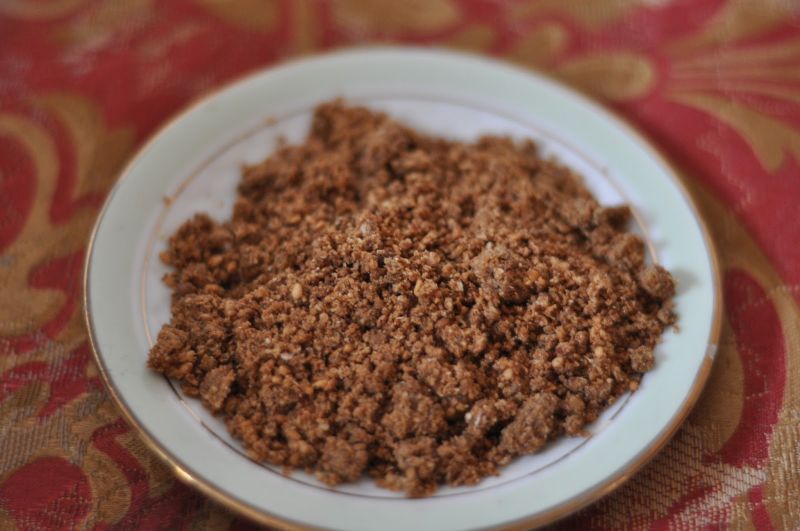
Egyptian dukkah is a traditional blend of nuts, seeds, and spices, coarsely ground and served as a flavorful dip or seasoning. To make dukkah, toast ingredients like hazelnuts, sesame, coriander, and cumin, then crush them together. Enjoy dukkah with bread dipped in olive oil, or sprinkle it over salads, meats, and vegetables for authentic Egyptian taste.
Key Takeaways
- Dukkah is an Egyptian mix of toasted nuts, seeds, and spices, used as a dip or seasoning.
- The classic dukkah recipe includes hazelnuts, sesame seeds, coriander, cumin, and salt.
- Dukkah is served with bread and olive oil, or as a topping for vegetables, meats, and salads.
- Every Egyptian household may have its own dukkah blend, reflecting family tradition and local ingredients.
- Dukkah can be stored in an airtight container for up to a month, making it a convenient pantry staple.
Egyptian cuisine is renowned for its bold flavors and communal dining experiences, and dukkah perfectly embodies these traditions. This aromatic blend of nuts, seeds, and spices has roots stretching back centuries, offering a taste of Egypt’s rich culinary heritage. Its irresistible crunch and complex aroma make it a favorite among locals and travelers alike.
Unlike many spice blends, dukkah is more than just a seasoning—it’s an experience. Traditionally, Egyptians serve dukkah in small bowls with warm baladi bread and olive oil, inviting guests to dip and savor together. The recipe varies from region to region, with each family adding their own twist. Some prefer the earthiness of pistachios, while others favor the warmth of cumin or the sweetness of fennel seeds. This adaptability is part of dukkah’s enduring appeal, allowing cooks to express creativity while honoring ancient flavors.
For those interested in the history of Egyptian food, dukkah offers a direct link to the past. Ancient Egyptians prized nuts and seeds, incorporating them into both everyday meals and ceremonial feasts. Today, dukkah continues to be a staple, bridging tradition and innovation in Egyptian kitchens. Whether you’re exploring the Valley of the Queens or reading about Ancient Egyptian Food: What Did They Really Eat?, dukkah is a delicious reminder of Egypt’s timeless hospitality and culinary artistry.
What Is Egyptian Dukkah? Origins and Cultural Significance
Dukkah (pronounced “doo-kah”) is an Egyptian condiment made from a blend of roasted nuts, seeds, and spices. The name comes from the Arabic word “to pound,” reflecting the traditional method of crushing the ingredients with a mortar and pestle. Dukkah is more than a recipe; it’s a symbol of generosity, often shared among friends and family during meals or festive gatherings. Its popularity has spread beyond Egypt, finding fans among chefs and food lovers worldwide.
In Egypt, dukkah is as much a ritual as a food. Street vendors sell paper cones filled with the fragrant blend, while home cooks prepare their own signature versions for special occasions. Dukkah’s versatility is legendary—it can be a dip for bread, a crust for meats, or a flavorful topping for vegetables. Its enduring presence in Egyptian life is a testament to its adaptability and universal appeal.
Travelers interested in Egypt’s ancient culture will find parallels between dukkah and the country’s artistic traditions. The careful balance of flavors in dukkah mirrors the harmony found in Ancient Egyptian Art Animals and architecture. Each ingredient plays a role, contributing to a blend that is greater than the sum of its parts.
The Essential Ingredients of Authentic Dukkah
The beauty of dukkah lies in its simplicity and adaptability. While recipes vary, the essential components remain consistent: nuts, seeds, and spices, all toasted to release their flavors. The most common nuts are hazelnuts and almonds, prized for their rich, buttery texture. Sesame seeds add a nutty crunch, while coriander and cumin provide warmth and depth. Salt enhances the blend, and black pepper or chili flakes may be added for a touch of heat.
Some families include pistachios, walnuts, or sunflower seeds, depending on local availability and personal preference. Fennel seeds, dried mint, or even dried chickpeas can also appear in regional variations. The key is to toast each ingredient separately, as they require different times to achieve optimal flavor. Once cooled, the ingredients are coarsely ground—never powdered—to preserve dukkah’s signature texture.
Classic Dukkah Recipe: Step-by-Step Guide
Making dukkah at home is simple and rewarding. The following recipe yields about one cup of dukkah, perfect for sharing at your next gathering or adding a touch of Egypt to everyday meals. Adjust the nuts and spices to suit your taste, and experiment with new combinations as you gain confidence.
Ingredients:
- 1/2 cup hazelnuts or almonds
- 1/4 cup sesame seeds
- 2 tablespoons coriander seeds
- 2 tablespoons cumin seeds
- 1 teaspoon black peppercorns
- 1 teaspoon sea salt
Instructions:
- Toast the hazelnuts in a dry skillet over medium heat until golden and fragrant. Let them cool, then rub off the skins.
- Toast the sesame seeds, coriander seeds, and cumin seeds separately until aromatic.
- Combine all toasted ingredients with black pepper and salt.
- Coarsely grind the mixture using a mortar and pestle or food processor. The texture should be crumbly, not powdery.
- Store dukkah in an airtight jar for up to one month.
For a truly immersive Egyptian experience, pair your homemade dukkah with a fresh loaf of baladi bread and a drizzle of olive oil. This simple ritual captures the essence of Egyptian hospitality, inviting everyone at the table to share and savor.
How to Serve Dukkah: Traditional and Modern Uses
Traditionally, dukkah is served alongside bread and olive oil. Diners dip a piece of bread in oil, then into the dukkah, coating it with the aromatic blend. This simple combination is a staple at Egyptian breakfasts and gatherings. However, dukkah’s uses extend far beyond bread. Sprinkle it over roasted vegetables, grilled meats, or salads for a burst of flavor and crunch. Use it as a crust for fish or chicken, or stir it into yogurt for a savory dip.
Modern chefs have embraced dukkah’s versatility, incorporating it into everything from avocado toast to gourmet cheese boards. Its nutty, spicy profile complements both sweet and savory dishes, making it a favorite among creative cooks. For inspiration, explore how dukkah is featured in luxury dining experiences during a Mayflower Cruise along the Nile.
Visiting Egypt during the holidays? Explore festive flavors and seasonal dishes with Egypt Christmas Tours, where dukkah often appears on celebratory tables.
Regional Variations and Family Traditions
No two dukkah blends are exactly alike. In Alexandria, cooks may add dried mint for a refreshing twist, while Upper Egyptian families favor the earthiness of walnuts. Some blends are fiery with chili, while others are sweetened with fennel or anise. These variations reflect Egypt’s diverse landscapes and rich culinary heritage, from the Mediterranean coast to the lush banks of Lake Nasser in Africa.
Family recipes are passed down through generations, each one a closely guarded secret. Sharing dukkah is a way of honoring ancestors and celebrating community.
Pairing Dukkah with Classic Egyptian Dishes
Dukkah shines as both a standalone dip and a versatile seasoning. Pair it with classic Egyptian dishes like ful medames (stewed fava beans), taameya (Egyptian falafel), or grilled kebabs for an authentic meal. Sprinkle dukkah over shakshuka, roasted eggplant, or even fresh tomatoes for a burst of texture and flavor.
Travelers exploring the temples of Luxor can sample dukkah at local eateries, especially on a Edfu and Kom Ombo Temples Day Tour from Luxor.
Dukkah in Modern Egyptian Hospitality
Today, dukkah is celebrated in both humble homes and luxury hotels, symbolizing warmth and welcome. Upscale restaurants in Cairo and Aswan offer creative dukkah-inspired dishes, while local families continue to prepare their favorite blends for guests. On a 08 Days Egypt Tour Package for Family, visitors can sample dukkah during traditional meals and cooking classes, gaining insight into Egyptian hospitality.
Experience the vibrant flavors of dukkah and other Egyptian delicacies during a visit to The Nubian Village, where local hosts share time-honored recipes and stories.
Tips for Storing and Gifting Dukkah
Dukkah’s robust flavors and long shelf life make it an ideal gift for food lovers. Store your blend in a glass jar with a tight-fitting lid, away from heat and moisture. Homemade dukkah keeps for up to a month, retaining its aroma and crunch. For a unique souvenir, package dukkah in decorative jars and pair it with a bottle of Egyptian olive oil or a loaf of artisan bread.
Want to bring a taste of Egypt home? Many travelers find inspiration for their own kitchens after a How We Deliver the Best Egypt Itinerary or a visit to the historic Dandara Temple.
Family Travel and Culinary Adventures in Egypt
Introducing children to dukkah is a delicious way to explore Egyptian culture. Family-friendly tours often include hands-on cooking experiences, allowing young travelers to toast, grind, and taste their own dukkah blends. These shared moments create lasting memories and foster a love of global cuisine.
From the bustling markets of Cairo to the tranquil banks of the Nile, dukkah is a constant companion on any Egyptian adventure. Whether you’re a seasoned foodie or a curious traveler, this ancient blend promises to delight your senses and connect you to Egypt’s vibrant heritage.
Frequently Asked Questions about Egyptian Dukkah
What is the main flavor of Egyptian dukkah?
Egyptian dukkah’s main flavor comes from a combination of toasted nuts—usually hazelnuts or almonds—mixed with sesame, coriander, cumin, and salt, creating a nutty, aromatic, and slightly spicy blend.
How do you traditionally eat dukkah in Egypt?
Traditionally, Egyptians eat dukkah by dipping bread into olive oil and then into the dukkah blend, coating the bread with the mixture for a flavorful bite.
Can dukkah be made nut-free?
Dukkah can be made nut-free by substituting roasted chickpeas or sunflower seeds for nuts, while keeping the traditional spices and sesame seeds for authentic flavor and texture.
How long does homemade dukkah last?
Homemade dukkah lasts up to one month when stored in an airtight container in a cool, dry place, retaining its crunch and aroma.
Where can I try dukkah during a trip to Egypt?
You can try dukkah at local markets, traditional restaurants, or during food-focused tours included in luxury Nile cruises and family vacation packages throughout Egypt.
Featured image: “Du’ah (dukkah) – Egyptian spice mix” by Abissada, licensed under CC BY-SA 4.0.