

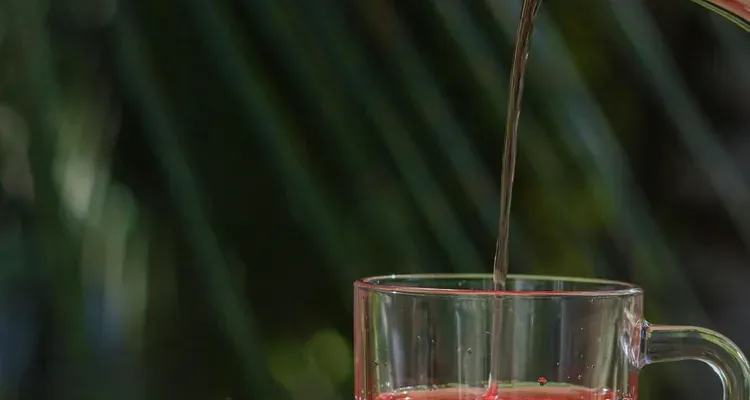
Karkade, also known as hibiscus tea, is a vibrant herbal infusion made from the dried petals of the hibiscus flower. This caffeine-free drink is celebrated for its tart flavor and impressive health benefits, including supporting heart health and aiding digestion. However, while karkade offers many advantages, it also has potential side effects that should be considered before making it a daily habit.
Key Takeaways
- Karkade is a traditional Egyptian beverage made from dried hibiscus petals, enjoyed hot or cold.
- Hibiscus tea is rich in antioxidants and may help lower blood pressure and cholesterol.
- Excessive consumption can cause side effects such as lowered blood pressure or interact with medications.
- Pregnant women and those with certain health conditions should consult a doctor before drinking karkade regularly.
- Karkade is naturally caffeine-free, making it a soothing alternative to black or green tea.
What Is Karkade? The Egyptian Hibiscus Tea Tradition
Karkade, pronounced "kar-ka-day," is a beloved beverage across Egypt and North Africa. Made by steeping the deep red calyces of the Hibiscus sabdariffa flower, karkade is as much a cultural symbol as it is a refreshing drink. It is often served at festive gatherings, weddings, and during Ramadan, both for its taste and its cooling properties in the desert heat. To explore the cultural roots and traditional preparation methods of karkade, discover how Egyptians make and enjoy this iconic tea.
Hibiscus Tea’s Role in Egyptian Daily Life
In Egypt, karkade is not just a drink—it's a social ritual. Whether sipped in bustling Cairo cafes or offered to guests in rural homes, this ruby-hued tea bridges generations. It stands alongside other favorites, such as black tea, in Egyptian culture. For a deeper look at tea traditions, see how Egyptians enjoy their daily shai and the etiquette surrounding tea service.
Health Benefits of Karkade (Hibiscus Tea)
The appeal of karkade extends well beyond its striking color and tangy flavor. Scientific studies and centuries of traditional use point to a range of health benefits associated with hibiscus tea. Its high concentration of antioxidants, including vitamin C and anthocyanins, helps combat oxidative stress. Many Egyptians and visitors alike enjoy karkade for its potential to support wellness during their travels, especially after a day exploring Egypt’s desert attractions or historic sites.
Key Benefits at a Glance
- Blood Pressure Regulation: Several clinical trials suggest that regular consumption of hibiscus tea may help lower systolic and diastolic blood pressure, making it a natural choice for those with mild hypertension.
- Cholesterol Management: Some studies indicate that karkade can reduce LDL cholesterol and triglyceride levels, contributing to better heart health.
- Antioxidant Power: The rich polyphenols in hibiscus flowers help neutralize free radicals, supporting the immune system and overall cellular health.
- Digestive Support: Traditionally, karkade is used to soothe the digestive tract and may help relieve mild stomach discomfort or bloating.
- Hydration and Refreshment: Served chilled, karkade is a popular way to rehydrate after a desert safari adventure or a day under the Egyptian sun.
Potential Side Effects and Precautions
While karkade is generally safe for most people when consumed in moderation, there are important precautions to consider. The same compounds that give hibiscus tea its health-promoting effects can also cause adverse reactions in certain individuals. For those planning an extended stay with an Egypt itinerary of 10 days or more, understanding these side effects is essential for a comfortable experience.
Who Should Be Cautious?
Hibiscus tea’s blood pressure-lowering properties, while beneficial for some, may pose risks for others. People taking antihypertensive drugs or those prone to low blood pressure should consult their healthcare provider before drinking karkade regularly. Additionally, hibiscus may interact with certain medications, such as those for diabetes or chemotherapy, potentially altering their effectiveness. Pregnant women are often advised to avoid large amounts of hibiscus due to potential uterine stimulation.
How to Enjoy Karkade Safely
To maximize the health benefits and minimize risks, moderation is key. For most adults, one to two cups per day are considered safe. If you are exploring Egypt’s wonders on a luxurious Nile cruise or embarking on a multi-country journey, try karkade as a refreshing, caffeine-free alternative to coffee or black tea. Listen to your body and consult a healthcare professional if you have any underlying health conditions.
Traditional Preparation and Serving Tips
Karkade can be enjoyed hot or cold, sweetened with sugar or honey, and sometimes infused with spices like cinnamon or cloves. For a truly authentic experience, visit a local café after a morning at Cleopatra Spring in Siwa or after hiking Dakrour Mountain. The vibrant red tea is often served in glass cups, allowing you to appreciate its color and aroma.
Comparing Karkade with Other Egyptian Teas
Egypt’s tea culture is diverse, with karkade and black tea being the most popular choices. While black tea contains caffeine and is often consumed with mint or milk, karkade is naturally caffeine-free and prized for its tartness and health properties. Travelers on a Chateau Lafayette Nile cruise can sample both beverages during their journey, gaining a true taste of Egypt’s beverage heritage.
Table: Karkade vs. Black Tea in Egypt
| Feature | Karkade (Hibiscus Tea) | Egyptian Black Tea |
|---|---|---|
| Main Ingredient | Dried hibiscus petals | Black tea leaves (Camellia sinensis) |
| Caffeine Content | None | High |
| Flavor Profile | Tart, fruity, floral | Bold, malty, sometimes minty |
| Health Benefits | Antioxidant-rich, may lower blood pressure | Contains antioxidants, may improve alertness |
| Traditional Use | Festive occasions, daily refreshment | Daily drink, social gatherings |
Incorporating Karkade into Your Egypt Adventure
Sampling karkade is a must for travelers seeking authentic Egyptian experiences. Whether you are unwinding after a Luxor day tour or relaxing at your hotel, karkade offers a delicious and healthy way to immerse yourself in local culture. It also makes a thoughtful souvenir—dried hibiscus petals are easy to pack and share with friends and family back home.
Pairing Karkade with Egyptian Cuisine
Karkade’s tartness pairs beautifully with sweet and savory Egyptian dishes. Enjoy it alongside traditional desserts or as a palate cleanser after a rich meal. Those planning a combined Egypt and Morocco tour will find hibiscus tea served in both countries, each with its own twist.
Frequently Asked Questions
Is karkade safe to drink every day?
Karkade is safe for most healthy adults to drink daily in moderate amounts, but those with low blood pressure or on certain medications should consult a doctor before regular consumption.
Can pregnant women drink hibiscus tea?
Pregnant women are generally advised to avoid hibiscus tea, as it may stimulate uterine contractions or interact with pregnancy-related medications.
Does karkade contain caffeine?
No, karkade is naturally caffeine-free, making it suitable for those who wish to avoid stimulants found in black or green tea.
What are the main side effects of hibiscus tea?
The main side effects of hibiscus tea include the potential to lower blood pressure too much and possible interactions with medications; allergic reactions are rare but possible.
How is karkade traditionally served in Egypt?
Karkade is traditionally served hot or cold, often sweetened, and enjoyed during celebrations, social gatherings, and as a daily refreshment throughout Egypt.