

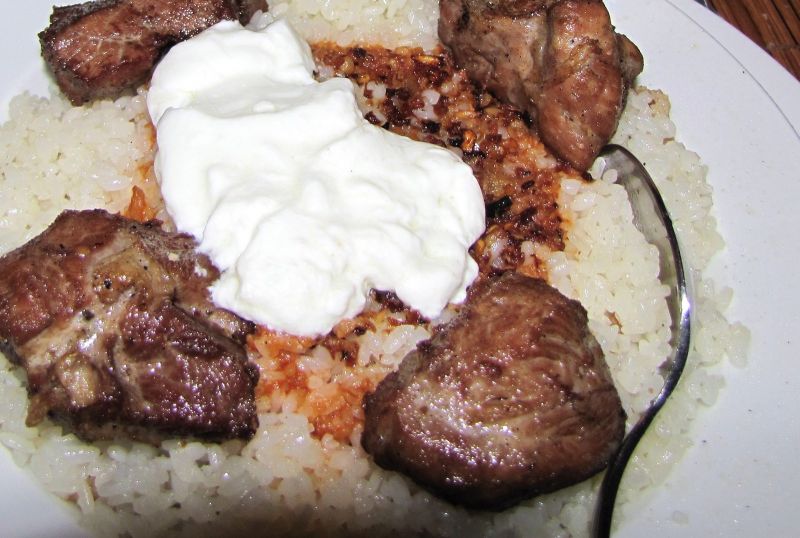
Egyptian Fattah: Festive Rice, Bread & Meat Dish – Origins, Traditions, and How to Experience It
Egyptian Fattah is a celebratory dish of layered rice, crispy bread, and tender meat, topped with a garlicky tomato sauce. Served during major festivities like Eid al-Adha and family gatherings, Fattah is a symbol of hospitality and tradition in Egypt. Its unique combination of textures and flavors makes it a must-try for anyone seeking authentic Egyptian cuisine.
Key Takeaways
- Egyptian Fattah is traditionally served at Eid al-Adha, weddings, and major family occasions.
- The dish consists of rice, fried or toasted baladi bread, slow-cooked meat (usually beef or lamb), and tangy garlic-tomato sauce.
- Fattah’s origins date back to ancient Egypt, with variations found across the Middle East.
- Classic Fattah uses simple ingredients but delivers complex, comforting flavors.
- Travelers can sample Fattah at local restaurants or during festive seasons in Egypt.
The Cultural Significance of Fattah in Egyptian Celebrations
Fattah is more than a meal—it is a centerpiece of Egyptian hospitality, marking the most cherished life moments and religious celebrations. Its preparation is often a family affair, bringing together generations in the kitchen. During Eid al-Adha, Fattah is the dish of honor, symbolizing generosity and gratitude as families gather to share in the festive spirit. This tradition has deep roots, reflecting the communal values that define Egyptian society.
The dish’s enduring presence at Egyptian tables is a testament to its cultural importance.
What Goes Into Authentic Egyptian Fattah?
The beauty of Fattah lies in its simplicity and the harmony of its components. At its core, Fattah combines:
- Baladi bread: Egyptian flatbread, toasted or fried for crunch.
- Rice: Fluffy, seasoned with ghee or butter.
- Meat: Usually slow-cooked lamb or beef, sometimes veal or chicken.
- Garlic tomato sauce: A tangy, aromatic topping that binds the layers.
Each element is prepared separately, then assembled just before serving to preserve texture. The result is a dish that balances savory, tangy, and rich notes—perfect for festive occasions or as a highlight of a luxury Egypt vacation.
Comparing Fattah With Other Egyptian Festive Dishes
| Dish | Main Ingredients | Occasion | Typical Protein | Distinctive Feature |
|---|---|---|---|---|
| Fattah | Rice, bread, meat, garlic-tomato sauce | Eid al-Adha, weddings | Lamb, beef | Layered with crispy bread |
| Hamam Mahshi | Stuffed pigeon, rice, herbs | Weddings, feasts | Pigeon | Whole bird stuffed with spiced rice |
| Koshari | Rice, pasta, lentils, chickpeas, tomato sauce | Everyday, street food | Vegetarian | Mix of grains and legumes |
For a deeper dive into Egypt’s festive dishes, explore the traditions behind Hamam Mahshi, another beloved celebratory meal.
Step-by-Step: How Egyptian Fattah Is Made
Making Fattah is an art form, with each layer requiring care. The bread is cut and fried until golden, rice is cooked with clarified butter, and the meat is simmered in aromatic broth. The garlic sauce, made by sautéing garlic in ghee and adding tomato and vinegar, is poured over the assembled dish just before serving. This method ensures every bite offers a mix of textures and flavors, much like the experience of exploring The Coptic Museum—layered, rich, and full of history.
Regional Variations and Modern Twists
While the classic Fattah recipe is beloved, regional and family variations abound. In some areas, chicken replaces lamb, while others add chickpeas or nuts for extra texture. Modern Egyptian chefs sometimes reinterpret Fattah with gourmet touches, making it a popular feature in high-end restaurants—especially during the festive season.
Where to Try Fattah in Egypt: Top Experiences for Food Lovers
Sampling Fattah in Egypt is a culinary highlight, whether at a family table or a renowned restaurant. Cairo’s vibrant food scene offers both traditional and contemporary versions, especially in neighborhoods near Al Azhar Park Cairo. Hotels and cruise ships also serve Fattah during major holidays, allowing visitors to experience this dish in style.
If your travels take you to Alexandria, don’t miss the opportunity to taste local interpretations as part of an Alexandria Day Tour. Each region adds its own touch, making Fattah a delicious way to explore Egypt’s diverse culinary landscape.
Fattah and Egypt’s Ancient Culinary Roots
The origins of Fattah can be traced back to ancient Egypt, where bread and meat were staples of the daily diet. Layering ingredients was a way to make the most of available resources, a tradition that endures in today’s Egyptian kitchens. Discovering the story of Fattah is like uncovering the secrets of why so many are captivated by Ancient Egypt—it’s a journey through history, flavor, and community.
Travelers intrigued by Egypt’s ancient and modern fusion can enhance their understanding with Nour El Nil and Malouka cruises, where culinary experiences are woven into the itinerary.
Pairing Fattah With Other Egyptian Experiences
No culinary journey is complete without exploring Egypt’s rich heritage sites. Combine your Fattah tasting with visits to landmarks like Abu Serga Church or the historic Ben Ezra Synagogue. These experiences offer a deeper appreciation for the traditions that shape Egyptian cuisine and culture.
Tips for Enjoying Fattah Like a Local
To savor Fattah authentically, enjoy it freshly assembled, when the bread is still crisp and the sauce is piping hot. Egyptians often share Fattah family-style, reinforcing the communal spirit. For travelers, joining a local home or a culinary tour during peak festive periods offers an immersive taste of this tradition. Those on Egypt and Dubai Tours or Egypt and Morocco Tours can request Fattah experiences as part of their culinary itinerary.
For nature lovers, pairing a Fattah meal with an excursion to Egypt’s national parks, as discussed in this guide, provides a memorable blend of flavors and landscapes.
Frequently Asked Questions About Egyptian Fattah
What is the main difference between Egyptian Fattah and Levantine Fattah?
The main difference between Egyptian Fattah and Levantine Fattah is the sauce; Egyptian Fattah uses a garlic-vinegar tomato sauce, while Levantine versions often use yogurt-based sauces and chickpeas.
When is Fattah typically served in Egypt?
Fattah is typically served during Eid al-Adha, weddings, and major family gatherings, marking moments of celebration and togetherness in Egyptian culture.
Can Fattah be made vegetarian?
Fattah can be made vegetarian by omitting the meat and using vegetable broth, but the classic recipe always features slow-cooked lamb or beef as its centerpiece.
Where can travelers try authentic Fattah in Egypt?
Travelers can try authentic Fattah at traditional restaurants in Cairo and Alexandria, during local home dining experiences, or as part of luxury tour packages and Nile cruises.
Is Fattah difficult to prepare at home?
Fattah is not difficult to prepare at home, but it requires careful timing and assembly to preserve the crispness of the bread and the flavor of the layers.
Image: David Berkowitz, CC BY 2.0 (cropped), via Wikimedia Commons