Egypt Then and Now: A Journey Through Time and Transformation
Egypt, a land where time seems to stretch endlessly, has witnessed the rise and fall of mighty civilizations, the evolution of faiths, and the blossoming of modernity against the backdrop of timeless sands. From the grandeur of pharaonic temples to the dazzling lights of Cairo's skyline, this country’s narrative is as captivating as its landscapes. Egypt then and now is not merely a comparison of past and present—it’s a dialogue between ancient splendor and contemporary dynamism. The Nile River, which has sustained Egypt for millennia, continues to breathe life into its economy, agriculture, and culture, bridging antiquity and modernity in one graceful flow.
At its heart, Egypt remains a land of contrasts—where the echoes of ancient chants mingle with the hum of modern progress. Once ruled by divine Pharaohs and adorned with colossal monuments such as The Great Pyramids of Giza, modern Egypt thrives as a vibrant republic that harmonizes its illustrious past with an ever-evolving future. Its soul resides in its people’s resilience, creativity, and unyielding pride in their heritage. As travelers venture through time—from the tombs of Luxor to the bustling streets of Cairo—they witness how Egypt’s heritage shapes its modern identity. Through this exploration of Egypt then and now, we uncover not just history but the enduring spirit that has carried this nation through centuries of transformation.
Ancient Egypt: The Cradle of Civilization
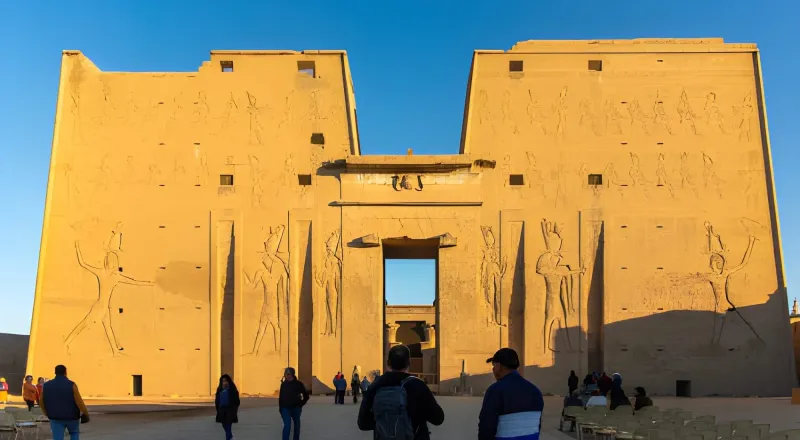
Thousands of years ago, ancient Egypt emerged as one of humanity’s most advanced societies. Built along the fertile banks of the Nile, it developed a sophisticated system of writing, governance, architecture, and art that influenced the ancient world profoundly. The pyramids, the temples of Karnak Temple, and the tombs of the Valley of the Kings stand as eternal reminders of this golden age. Religion and daily life intertwined seamlessly; every act, from farming to building monuments, was guided by divine purpose.
Pharaohs like Ramses II and Hatshepsut left indelible marks on history through their architectural legacies and diplomatic achievements. The artistry of ancient Egypt—from detailed hieroglyphics to the elegant sculptures adorning walls and sarcophagi—reveals a civilization deeply connected to beauty and order. As historians uncover the secrets of mummification and spiritual beliefs, the story of ancient Egypt continues to inspire curiosity and admiration worldwide.
The Greek and Roman Influences on Egyptian Heritage
After the decline of the native dynasties, Egypt’s fate intertwined with that of foreign rulers. The arrival of Alexander the Great and the subsequent rule of the Ptolemies ushered in an era of cultural fusion. Alexandria became a beacon of scholarship and trade, boasting the magnificent Library of Alexandria. Greek philosophy, art, and governance merged beautifully with Egyptian traditions, creating a cosmopolitan society unlike any other in the ancient world.
Later, under Roman rule, Egypt became the empire’s breadbasket, its fertile lands feeding distant cities. The blending of Roman architecture and Egyptian artistry is still visible in monuments like the Serapeum and Roman theaters. This period symbolized Egypt’s ability to absorb external influences while maintaining its essence—a characteristic that continues to define the nation today.
The Rise of Islamic Egypt
With the Arab conquest in the 7th century, Egypt embraced Islam, and Cairo soon rose as a jewel of Islamic civilization. The city’s skyline transformed with the minarets and domes of magnificent mosques such as Al Azhar Mosque and Sultan Hassan Mosque. As the capital of learning and art, Cairo became a hub for scholars, merchants, and artisans, its bazaars brimming with life and color.
The Islamic era introduced new architectural wonders, intricate calligraphy, and innovations in mathematics, astronomy, and medicine. The Fatimid, Ayyubid, and Mamluk periods enriched the country’s cultural mosaic, shaping Egypt into a center of political and intellectual influence. The meticulous design of medieval Cairo, with its winding alleys and ornate facades, continues to captivate visitors exploring El Moez Street.
Colonial Egypt and the Struggle for Independence
By the 19th century, Egypt found itself under increasing foreign control, first by the Ottomans and later the British. European influence brought modernization—railways, telegraphs, and the Suez Canal—but also ignited nationalist movements that sought self-determination. The early 20th century witnessed Egypt’s growing call for independence, culminating in the 1952 revolution led by the Free Officers Movement.
Gamal Abdel Nasser’s leadership marked a new chapter. His vision for a modern, united Egypt resonated across the Arab world, fostering industrialization and national pride. The High Dam of Aswan, a monumental engineering feat, symbolized this ambition, controlling the life-giving Nile and generating power for millions. This era laid the groundwork for the modern Egypt we recognize today.
Modern Egypt: The Pulse of the Arab World
Today’s Egypt stands as a vibrant blend of ancient majesty and modern innovation. Cairo, affectionately called the ‘City of a Thousand Minarets,’ buzzes with life, blending the echoes of history with the rhythms of urban progress. The city’s museums, including The Egyptian Museum of Cairo, display millennia of artifacts that narrate humanity’s early achievements.
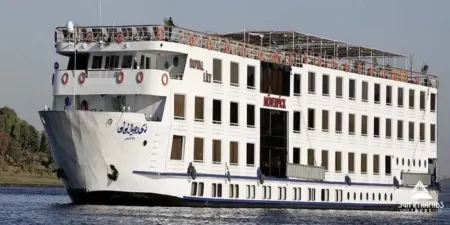
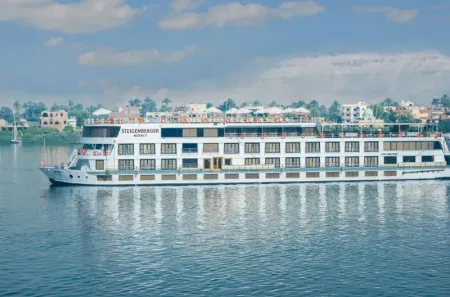
Tourism remains a cornerstone of Egypt’s economy, attracting millions eager to explore the wonders of the pharaohs and the serenity of the Nile through Best Nile River Cruises. New destinations like Hurghada, Sharm El Sheikh, and Marsa Alam have turned Egypt’s Red Sea coast into a paradise for divers and beach lovers. Meanwhile, the nation’s cultural scene—from film and music to art and architecture—reflects a society that’s bold, creative, and ever-adaptive.
Egypt’s Economic and Social Renaissance
In the 21st century, Egypt’s economy has diversified beyond tourism and agriculture. Infrastructure projects, technological innovation, and renewable energy initiatives drive growth. Urban centers like New Cairo and the New Administrative Capital embody the nation’s vision of progress. Education reforms and entrepreneurship have empowered youth, fostering a generation determined to honor Egypt’s legacy while shaping its future.
Socially, Egypt continues to balance tradition with modernity. Women’s empowerment, cultural preservation, and sustainable development are central themes in contemporary discourse. Festivals and events celebrating heritage—like pharaonic parades and cultural exhibitions—rekindle pride in Egypt’s millennia-old identity.
Preserving the Ancient Heritage in a Modern Era
As modernization accelerates, Egypt’s commitment to preserving its ancient treasures remains unwavering. The opening of The Grand Egyptian Museum marks a milestone in safeguarding antiquities while making them accessible to global audiences. Restoration efforts in Luxor, Aswan, and Alexandria ensure that temples like Luxor Temple and Abu Simbel Temples endure for generations.
Heritage tourism initiatives, including curated Egypt Vacation Packages and educational experiences, allow travelers to connect deeply with history. By integrating technology such as virtual tours and 3D reconstructions, Egypt merges ancient stories with modern storytelling tools.
The Timeless Nile: Lifeblood of Egypt Then and Now
The Nile River, Egypt’s eternal artery, remains as vital today as it was in the days of the pharaohs. Its waters sustain agriculture, connect communities, and inspire poetry and art. Cruising along its banks aboard Luxury Nile Cruises offers a surreal experience—gliding past temples, villages, and palm-dotted horizons that whisper stories of eternity.
Efforts to protect the Nile from pollution and overuse reflect Egypt’s recognition of this river’s sacred and practical importance. As climate concerns rise globally, the Nile stands as both a challenge and a promise—demanding stewardship and offering sustainability to a nation deeply intertwined with its flow.
Egypt’s Cultural Continuum: Identity Through the Ages
Across millennia, Egyptian identity has evolved yet remained rooted in continuity. From hieroglyphs to Arabic calligraphy, from pharaonic rituals to Ramadan celebrations, the thread of cultural pride persists. Music, dance, cuisine, and art form a living dialogue between past and present—whether through the elegance of traditional crafts or the innovation of contemporary artists.
Egypt’s people carry history in their hearts and resilience in their spirit. They’ve weathered conquests, revolutions, and global shifts, emerging each time stronger and more unified. The timeless charm of Egypt then and now lies in this resilience—the ability to honor history while embracing progress with open arms.
FAQs About Egypt Then and Now
1. How has Egypt evolved from ancient times to today?
Egypt has transitioned from a pharaonic kingdom to a modern republic while preserving its monumental heritage. Ancient Egypt was defined by divine monarchy, hieroglyphs, and monumental architecture, while contemporary Egypt thrives on innovation, tourism, and cultural diversity. The Nile continues to unify both eras as a symbol of continuity.
2. What are the best historical sites to visit in modern Egypt?
Travelers shouldn’t miss The Valley of the Kings, the Temple of Philae, and The Citadel of Qaitbay. These landmarks showcase Egypt’s enduring grandeur and its commitment to preserving its ancient treasures for the modern world.
3. How important is the Nile River to Egypt’s development?
The Nile is Egypt’s lifeline, supporting agriculture, trade, and tourism. Since ancient times, it has dictated settlement patterns and cultural rituals. Today, it continues to drive economic activities, particularly through river cruises and sustainable agriculture initiatives.
4. What role does tourism play in Egypt’s modern economy?
Tourism is one of Egypt’s strongest economic pillars. From cultural tours to adventures in the desert, the industry supports millions of jobs. Programs such as Luxury Egypt Tours showcase the country’s hospitality and world-class heritage experiences.
5. How does Egypt preserve its ancient monuments today?
Egypt employs advanced conservation techniques, digital documentation, and global collaborations to protect its monuments. Projects like the Grand Egyptian Museum and restoration of temples in Luxor and Aswan ensure that future generations can continue to admire Egypt’s timeless legacy.