Women's Rights in Egypt: A Deep Dive into Equality, Law, and Social Progress
Women's rights in Egypt have long stood at the crossroads of tradition, religion, and modernization. Over millennia, Egyptian women have played pivotal roles—as queens, laborers, scholars, and reformers—shaping both the ancient and modern landscapes of Egyptian civilization. Today, the fight for gender equality in Egypt intertwines cultural evolution with the country's socio-political transformation. From the time of powerful figures like Queen Hatshepsut to the modern feminist movements, the journey of Egyptian women reveals resilience, courage, and ambition. This article explores the evolution, challenges, and triumphs of women’s rights in Egypt, analyzing the legal framework, societal attitudes, and the growing empowerment in political, economic, and educational sectors. As Egypt continues its path toward equality, women’s voices are echoing louder than ever, demanding inclusion, respect, and justice in all walks of life.
The empowerment of women in Egypt is crucial for national progress. With nearly half the population being female, closing the gender gap directly impacts education, health, and economic growth. Despite facing obstacles such as gender-based violence, discrimination, and limited access to leadership roles, Egyptian women continue to rise. The blend of activism, reformist policies, and global support has made women’s rights a cornerstone of Egypt’s 2030 vision for sustainable development. This transformation journey aims not only to uplift women socially and economically but to ensure that equality becomes an uncompromising principle within Egyptian society.
Historical Overview of Women's Rights in Egypt
Egypt’s heritage of women’s empowerment traces back thousands of years. In ancient Egypt, women enjoyed relatively progressive rights compared to other civilizations of the time. They could own property, initiate divorce, and hold positions of influence. Queens like Hatshepsut and Cleopatra proved that leadership was not confined to men. However, the subsequent centuries under foreign rule and religious interpretation saw women’s societal roles restricted. During the 19th and 20th centuries, Egyptian women began reclaiming their rights through education and activism.
The early 1900s witnessed the rise of feminist icons like Huda Sha'arawi, who founded the Egyptian Feminist Union in 1923. Her courageous act of removing the veil in public symbolized the dawn of modern Egyptian feminism. The mid-20th century saw Egypt’s first women gaining access to higher education and professional careers. Post-1952 revolution, legal reforms under President Nasser expanded women’s rights, particularly in education and employment. These historical shifts laid the groundwork for the continued struggle toward gender equity in present-day Egypt.
Legal Framework and Governmental Efforts
Egypt’s legal landscape regarding women’s rights has evolved significantly. The constitution of 2014 marked a turning point by affirming gender equality and prohibiting discrimination. It enshrines women’s rights to political participation, employment, and protection from violence. The National Council for Women (NCW) actively advocates for legislative reform, focusing on combating female genital mutilation (FGM), domestic violence, and workplace discrimination.
While laws have progressed, implementation remains a challenge. Cultural norms and limited awareness often hinder law enforcement. However, Egypt’s Vision 2030 includes gender equality as a central pillar. Initiatives such as the “Taa Marbouta” campaign aim to redefine women’s roles in society, promoting empowerment through education and entrepreneurship. The government’s partnership with global organizations like the UN Women has further accelerated reforms, though grassroots activism remains vital in bridging gaps between policy and reality.
Education as a Catalyst for Empowerment
Education has become one of the strongest tools for improving women’s rights in Egypt. Over the past few decades, female literacy rates have risen dramatically. Yet, rural areas still face challenges such as early marriage and limited school access. The Egyptian government, supported by NGOs, continues to push for gender parity in education by building schools in underserved regions and promoting STEM education for girls. This progress directly correlates with women's growing participation in the workforce and leadership positions.
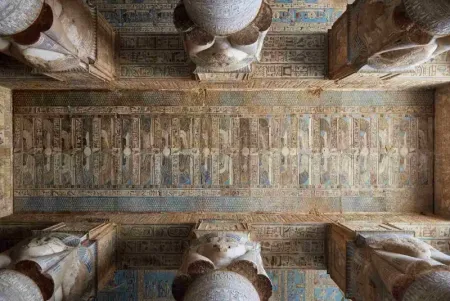
Educated women are more likely to engage in politics, start businesses, and challenge societal stereotypes. Their increasing visibility across sectors—from medicine to technology—demonstrates how knowledge fuels empowerment. This nationwide effort echoes the ancient respect Egyptians once held for learning, seen in their devotion to scholars and wisdom keepers. Just as hieroglyphs told the stories of powerful queens, education now writes the future of Egyptian women leading change.
Economic Participation and Financial Independence
Economic empowerment is a cornerstone of gender equality. Egyptian women today hold diverse roles in business, agriculture, tourism, and technology. However, female labor participation remains below 25%, with many women confined to informal sectors. The government’s “Women’s Empowerment Strategy 2030” seeks to boost female employment through entrepreneurship programs and access to microfinance. Rural women, in particular, benefit from these initiatives, allowing them to create sustainable livelihoods and achieve financial independence.
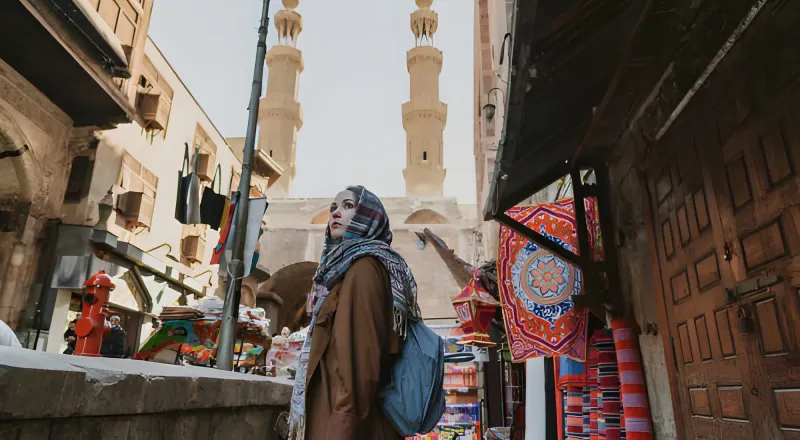
Tourism plays a critical role as well. Many Egyptian women now work as tour guides, entrepreneurs, and artisans, showcasing local culture to international travelers exploring Best Nile River Cruises or visiting Cairo. These opportunities not only promote cultural exchange but also strengthen women’s roles in Egypt’s economic revival. The visibility of women in professional spaces continues to challenge traditional norms, fostering a more inclusive workforce.
Social Challenges and the Road Ahead
Despite impressive progress, women in Egypt still face significant hurdles. Gender-based violence, sexual harassment, and social stigma continue to affect daily life. The fight against FGM remains ongoing, though government efforts and awareness campaigns have reduced its prevalence in urban centers. Social media has become a powerful tool for Egyptian women to voice concerns, mobilize change, and advocate for justice. Movements like “Assault Police” have sparked national dialogue on harassment and consent, empowering women to speak without fear.
Cultural attitudes often take longer to change than laws. Yet, Egypt’s youth are driving a new wave of social consciousness that challenges outdated gender norms. Women are increasingly visible in sports, arts, and politics, proving that equality is not a Western import but a national necessity. Social transformation relies not only on legislation but also on education, media representation, and collective advocacy to redefine what it means to be a woman in modern Egypt.
Political Representation and Leadership
Egyptian women’s representation in politics has grown steadily. The 2020 parliamentary elections saw women winning nearly 28% of seats—a historic achievement. Female ministers now head key portfolios, including health, environment, and social solidarity. Their presence at the decision-making level ensures that gender perspectives influence national policy. Egypt’s leadership has also pushed for women’s inclusion in public administration, judiciary, and security sectors.
Yet, challenges persist in local governance and political participation across rural areas. To address this, civil society organizations are conducting leadership training programs, encouraging women to run for municipal councils. As more women enter the political sphere, they bring with them the lived experience of balancing family, work, and community responsibilities, enriching governance with empathy and inclusivity.
Cultural Expression and Female Identity
Art, literature, and media have become vibrant platforms for Egyptian women to explore identity and resistance. From filmmakers tackling taboo subjects to writers chronicling female struggles, Egyptian women are reclaiming their narratives. The country’s evolving cultural scene reflects the ongoing dialogue between tradition and modern feminism. Media campaigns celebrating successful women inspire younger generations, reinforcing that empowerment begins with representation.
Tourism and cultural preservation also highlight female roles in shaping national identity. Women artisans in villages along the Nile, for instance, sustain Egypt’s artistic heritage through handmade crafts sold to visitors on Luxury Nile Cruises. Their work not only preserves history but also symbolizes the creative resilience that defines Egyptian womanhood.
Modern Movements and the Future of Women's Rights in Egypt
The 21st century has ushered in a new era of activism. Young Egyptian feminists leverage digital platforms to advocate for equality, raise awareness about gender-based violence, and demand accountability. Campaigns on social media have prompted investigations and legislative changes, showcasing how technology can amplify women’s voices. Egypt’s participation in international conventions like the Convention on the Elimination of All Forms of Discrimination against Women (CEDAW) underscores its commitment to global standards of gender justice.
However, real transformation demands a cultural shift. Empowerment must extend beyond urban centers to rural communities, where traditional patriarchal norms remain entrenched. This involves not only enforcing laws but also engaging men as allies in equality movements. The vision for women’s rights in Egypt is not merely about protection but about participation and leadership. As Egypt embraces modernization, its women are not waiting for change—they’re leading it.
Frequently Asked Questions about Women's Rights in Egypt
1. What are the main legal protections for women in Egypt?
Egypt’s constitution explicitly prohibits gender-based discrimination and guarantees equal rights in political, social, and economic spheres. Laws criminalize sexual harassment, FGM, and domestic abuse. However, enforcement varies by region, and awareness campaigns continue to strengthen these protections.
2. How are Egyptian women advancing in the workforce?
Women are increasingly securing jobs in business, tourism, healthcare, and public service. Programs supporting entrepreneurship help women start small businesses, particularly in rural areas. The government’s commitment to economic inclusion under the 2030 Vision continues to expand women’s career opportunities.
3. What role do Egyptian women play in politics today?
Women now hold nearly a third of parliamentary seats and occupy significant ministerial roles. Female political participation symbolizes a broader societal shift toward inclusivity and fairness in governance.
4. What are the biggest challenges facing women’s rights in Egypt?
The main issues include gender-based violence, limited access to rural education, and social stigma surrounding women’s independence. Efforts to combat these challenges involve collaboration between government agencies, NGOs, and international bodies.
5. How can travelers support women’s empowerment in Egypt?
Visitors can contribute by supporting local female-owned businesses, fair-trade cooperatives, and cultural initiatives. Participating in community-led tours or crafts workshops during Egypt Vacation Packages helps sustain women artisans and entrepreneurs while fostering cultural exchange.
Women’s rights in Egypt remain a dynamic narrative—one of strength, persistence, and evolution. From ancient queens to contemporary activists, Egyptian women continue to shape a more equal and prosperous society. Their journey reflects not only the nation's resilience but also its unwavering pursuit of justice and dignity for all.