Why Am I Obsessed with Ancient Egypt: The Eternal Allure of a Civilization Beyond Time
There’s something magnetic about Ancient Egypt, a civilization wrapped in mystery, majesty, and the whisper of eternity. From the colossal Great Pyramids of Giza to the enigmatic smile of the Great Sphinx, Egypt’s ancient wonders tug at the imagination like no other culture on Earth. My fascination isn’t fleeting—it’s an obsession born of awe for their achievements, curiosity about their beliefs, and a deep admiration for the artistry that transcends thousands of years. Ancient Egypt’s spell is woven through its architecture, religion, and the enduring mystery of its people, who seemed to live in harmony with gods and stars.
Whether you’re exploring breathtaking Egypt Vacation Packages or simply diving deep into its mythology, the moment you encounter pharaonic history, there’s no turning back. This fascination hooks you with its paradox—a world both alien and familiar, ancient yet timeless. The more I learn about Egypt’s dynasties, tombs, and deities, the more I feel drawn into its golden sands, as if each discovery awakens echoes of a past life along the banks of the Nile River. My obsession with Ancient Egypt isn’t just intellectual; it’s emotional, spiritual, and deeply human—a connection between who we were and who we still are.
The Magnetic Mystery of Ancient Egypt
Ancient Egypt captures the collective imagination because it stands as one of humanity’s most extraordinary civilizations. The pharaohs ruled with divine authority, and their monuments remain unmatched in grandeur and precision. The Egyptians built not just for life but for eternity, leaving behind temples like Karnak Temple and tombs in the Valley of the Kings that still defy time. My obsession thrives on this enigma—how did a civilization so ancient understand astronomy, engineering, and spirituality so profoundly?
This mystery is addictive. The allure lies in the unanswered questions: how were the pyramids aligned so precisely? What secrets lie beneath the sand dunes waiting to be uncovered? Each archaeological discovery deepens the intrigue, feeding that irresistible pull toward a world that whispered to the cosmos through hieroglyphs and gods with animal heads. Ancient Egypt’s mystery isn’t just about what we know—it’s about what we don’t.
The Spiritual Depth of the Egyptian Soul
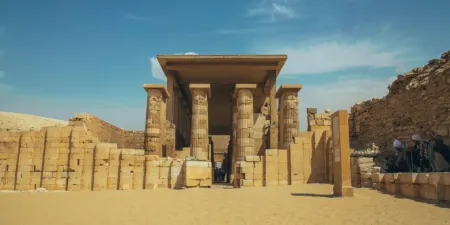
Religion was the lifeblood of Ancient Egypt, shaping everything from architecture to agriculture. The Egyptians believed life and death were two parts of the same journey, bridged by the afterlife. This belief system created a civilization obsessed with eternity, and I find that notion captivating. Temples like the Temple of Philae and Temple of Hatshepsut weren’t merely places of worship—they were cosmic gateways, connecting earth to the divine.
My obsession with Ancient Egypt grows from this spiritual sophistication. Their gods represented forces of nature, human emotions, and cosmic order. Reading about deities like Osiris, Isis, and Horus feels like uncovering the blueprint of existence itself. The Eye of Horus still symbolizes protection and health, showing how deeply their mythology still resonates today.
The Artistic Genius Behind Ancient Egypt’s Eternal Beauty
Every piece of ancient Egyptian art tells a story of devotion, discipline, and divine purpose. The symmetry, symbolism, and use of color were not random—they were coded with spiritual meaning. I’m fascinated by how craftsmen perfected this style for over 3,000 years, maintaining harmony between form and faith. Whether carved into limestone or painted on papyrus, their art wasn’t just decoration; it was communication with eternity.
Exploring Ancient Egyptian Papyrus Art and sculpture reveals the Egyptians’ meticulous eye for detail and balance. Each statue and mural radiates timeless elegance, offering a glimpse into a culture that valued beauty as a reflection of divine order. It’s impossible not to feel awe when standing before hieroglyphs that still speak across millennia.
The Science, Innovation, and Architecture That Defined a Civilization
My obsession with Ancient Egypt also stems from their innovative brilliance. The mathematical precision behind pyramid construction remains one of the greatest engineering feats in human history. Their knowledge of medicine, astronomy, and hydraulics was centuries ahead of its time. The alignment of temples with celestial bodies, their irrigation mastery using the Nile’s floods, and their surgical tools prove how science and spirituality walked hand in hand.
Even today’s Egypt Nile Cruises trace the same waters that nourished their fields and temples. That connection between human ingenuity and nature’s rhythm is part of what keeps Egypt’s magic alive. Ancient Egyptians weren’t just dreamers—they were doers who built the impossible with bare hands and infinite faith.
The Pharaohs and Their Legacy of Power
There’s no denying that the allure of the pharaohs feeds any obsession with Ancient Egypt. These rulers were both mortal and divine, their rule intertwined with cosmic balance. From the mighty Ramses II to the mysterious Tutankhamun, their legacies are written in stone and gold. Each reign tells a story of ambition, politics, and immortality. When I read about Queen Nefertiti, I’m captivated by her elegance, intelligence, and her role in reshaping Egypt’s religious vision.
Pharaohs weren’t just rulers—they were living gods entrusted to maintain Ma’at, the universal order. This divine kingship, expressed through colossal statues and intricate tombs, reflects a society that saw leadership as sacred duty, not mere power. It’s this seamless blend of politics, divinity, and artistry that makes Egypt’s rulers endlessly fascinating.
The Timeless Influence of Ancient Egyptian Culture
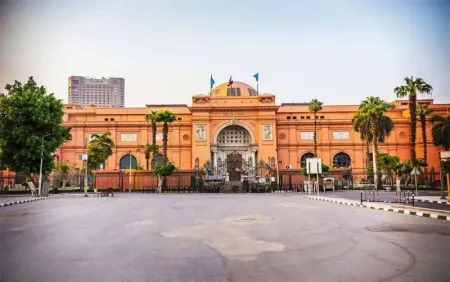
From architecture to fashion, Egyptian culture continues to shape modern aesthetics. The geometric harmony of their art influences today’s design, while their spiritual symbols find life in jewelry, literature, and film. Their obsession with immortality mirrors our own quest for meaning and legacy. When one visits the Grand Egyptian Museum, that sense of timelessness hits hard—each artifact whispers of lives lived with purpose and reverence.
Modern Egypt still carries echoes of its ancient glory, from the golden tombs of Luxor to the sacred Abu Simbel Temples. Even travelers on Luxury Egypt Tours find themselves lost in the same wonder that once inspired explorers like Champollion and Carter. Ancient Egypt isn’t just history—it’s an experience of the soul.
The Emotional Connection: More Than Just Curiosity
What drives this obsession isn’t just fascination—it’s emotional resonance. Ancient Egypt feels familiar, as though its wisdom still courses through humanity’s collective memory. The stories of love, betrayal, rebirth, and faith echo universal truths. Reading about Isis reassembling Osiris or the eternal voyage of Ra across the sky stirs something primal within. It reminds me that Ancient Egypt wasn’t a civilization of the dead—it was a celebration of life, meaning, and cosmic continuity.
FAQs About Why Am I Obsessed with Ancient Egypt
Why is Ancient Egypt so fascinating to so many people?
Ancient Egypt fascinates people because of its unparalleled blend of mystery, art, and innovation. The grandeur of the pyramids, the precision of hieroglyphs, and the depth of its mythology create a civilization that feels both otherworldly and relatable. It symbolizes humanity’s eternal quest for knowledge, beauty, and immortality.
What makes Ancient Egypt different from other ancient civilizations?
Unlike many societies, Ancient Egypt maintained cultural consistency for over 3,000 years. Its unique geography, centered around the Nile, fostered stability and creativity. The Egyptians’ profound spirituality and architectural mastery set them apart, producing timeless wonders that continue to inspire modern scientists and artists alike.
Why do people feel spiritually connected to Ancient Egypt?
The ancient Egyptians viewed life, death, and rebirth as parts of a cosmic cycle. Their gods symbolized universal forces—sun, fertility, love, and justice—and their rituals reflected humanity’s yearning for eternal harmony. This philosophy resonates deeply with modern seekers of spiritual meaning, forming an enduring emotional connection.
What can we learn from Ancient Egyptian culture today?
Ancient Egypt teaches us the power of purpose, balance, and faith in the unseen. Its focus on legacy, environmental harmony, and collective effort reminds us that greatness is built through unity and vision. Their art and architecture show that creativity and spirituality can coexist beautifully.
How can I explore Ancient Egypt in person?
Travelers can immerse themselves in Egypt’s ancient world through guided experiences like Trip to Giza Pyramids and Egyptian Museum or Full Day Tour to East and West Banks of Luxor. Cruising down the Nile on Best Nile River Cruises or visiting temples and tombs offers a firsthand journey into the heart of a civilization that continues to captivate the world.
Explore more: Egypt Student & Educational Tours