
In the vast pantheon of Egyptian mythology, where gods ruled over every grain of sand and gust of wind, few deities carry the mystery and symbolism of the Egyptian god of dust. Ancient Egyptians revered their environment — the fertile Nile and the arid desert — as living entities. Dust, often seen as both a nuisance and a sacred substance, symbolized chaos, transition, and rebirth. The Egyptian god of dust, often associated with Set (or Seth), the god of storms, deserts, and disorder, emerges as a powerful figure tied to the raw forces of nature. His presence reveals much about how ancient Egyptians viewed balance — the eternal struggle between harmony and chaos that shaped their daily lives and spiritual beliefs.
Egyptian mythology didn’t separate nature from divinity; rather, it merged them. The desert winds whipping across the White Desert of Egypt weren’t just natural phenomena; they embodied divine will. Dust wasn’t mere debris but the foundation of creation, a reminder that life itself was molded from clay and returned to dust upon death. This sacred perception forms the cornerstone of understanding who the Egyptian god of dust truly was and why his role still intrigues historians, theologists, and travelers exploring Egypt’s timeless legends today.
The Symbolic Essence of Dust in Ancient Egyptian Belief
Dust in ancient Egypt was deeply symbolic — a dual emblem of destruction and creation. In mythology, it was said that gods formed humans from the clay and dust of the Nile River’s banks, giving life to mere particles of matter. Yet, dust also represented the inevitable decay of mortal existence. The god of dust, therefore, embodied these paradoxes — a reminder that from ruin springs renewal.
Set, often identified as the Egyptian god of dust, ruled over the chaotic desert lands beyond the fertile Nile Valley. To the Egyptians, dust-laden deserts symbolized danger, unpredictability, and death — but also transformation. This interplay between fertility and desolation defined their worldview. When the winds blew from the west, carrying dust storms that turned the sky ochre, it was believed Set was asserting his divine presence, testing the resilience of humankind.
Set: The Desert and Dust Deity of Chaos and Power
Set’s connection to dust wasn’t coincidental. As the god of deserts, he ruled over barren lands where dust reigned supreme. He symbolized both the destructive and creative forces of nature — embodying the strength of storms and the stillness of silence after. Unlike benevolent gods such as Osiris or Horus, Set represented the untamed essence of life, often feared yet respected.
The ancient Egyptians saw his dusty dominion as necessary for the cosmic balance known as Ma’at. Without chaos, there could be no order. Without dust, there could be no rebirth. Set’s role as the Egyptian god of dust thus transcended mere symbolism; it was integral to the universe’s equilibrium.
The Desert Winds and the Divine Breath of Set
When desert winds swept across Egypt, bringing dust and dryness, they were believed to be Set’s breath — a divine force cleansing the world. The Egyptians both revered and dreaded these winds, recognizing their destructive potential but also their purifying power. Dust storms were natural manifestations of Set’s mood swings, powerful displays of divine temperament that could destroy crops or reveal buried treasures.
Travelers exploring Siwa Oasis or wandering the dunes near the Nile would have understood these forces firsthand. Even today, the desert’s shifting sands echo ancient myths, whispering tales of Set’s dominion over dust and destiny.
How Dust Connects Creation and Mortality in Egyptian Mythology
Egyptian creation myths describe the universe emerging from a formless void — a cosmic dust before life began. This dust carried divine potential. When the creator god Atum breathed life into beings made from clay, it was the dust that formed their physical essence. Thus, dust wasn’t pollution; it was the material of divine construction.
At death, Egyptians believed their bodies would dissolve into dust, returning to the earth to await rebirth. This cyclical viewpoint reveals why dust — and by extension, the god who governed it — held immense metaphysical importance. The Egyptian god of dust symbolized this eternal loop of life, death, and resurrection, aligning with their broader spiritual belief in continuity beyond the tomb.
Set’s Rivalry and His Role Among the Egyptian Gods
The mythology surrounding Set shows a complex character — neither wholly evil nor entirely benevolent. His rivalry with Osiris and Horus represents the cosmic tug-of-war between chaos and order. In the myth of Osiris, Set murders his brother and scatters his body across Egypt, a symbolic act scattering ‘the dust of life.’ Though demonized in later dynasties, Set’s actions were necessary for the continuation of the cycle, embodying the dust that settles after conflict yet nourishes new beginnings.
Set’s cult was especially strong in Upper Egypt, particularly near the Nubian frontier, where desert sands dominate the landscape. There, temples and carvings depict him as a powerful deity with the head of an enigmatic animal — possibly representing the unpredictable and ever-shifting nature of dust itself.
The Cultural Impact of Dust in Ancient Egyptian Daily Life
Beyond mythology, dust shaped everyday Egyptian existence. The desert’s presence influenced architecture, agriculture, and even fashion. People protected themselves from dust storms using linen wraps, while artisans used desert sand in pottery and glassmaking. In rituals, dust symbolized humility; priests sprinkled dust on their heads during mourning or purification ceremonies to honor the divine cycle of decay and renewal.
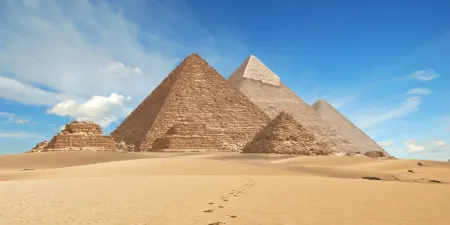
This cultural reverence extended to temple practices. Priests invoked Set in ceremonies to ward off destructive forces, acknowledging that even chaos — and dust — had a sacred place in the divine order of things. Some of these ceremonies took place near towering monuments like the Great Pyramids of Giza, where dust itself carried echoes of divine presence.
Temples, Tributes, and the Worship of the Dust God
Temples dedicated to Set often stood near desert borders, where the fertile Nile met barren sand. These sanctuaries symbolized the balance between civilization and wilderness. Offerings, including sand-colored incense and clay figurines, honored Set’s dominion over dust and air.
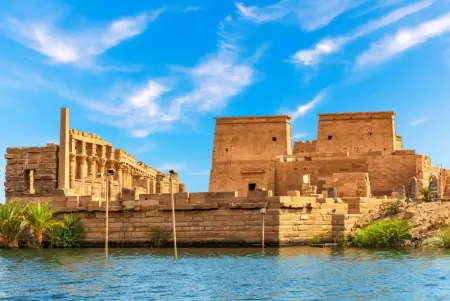
Modern travelers visiting sites like the Kom Ombo Temples or the Karnak Temple can still sense this legacy, where carvings depict gods intertwined with elemental forces, including dust, air, and desert winds.
The Egyptian God of Dust and the Concept of Balance
In Egyptian cosmology, balance was everything. The god of dust, representing disorder, complemented gods of fertility and growth. The Nile’s floods deposited life-giving silt — essentially dust — across farmlands, proving that even what seemed chaotic had purpose.
Through Set’s duality, Egyptians learned an essential truth: chaos births order. Dust, though seemingly insignificant, was a potent metaphor for life’s transient yet regenerative power.
Modern Reflections on the God of Dust
Today, as scholars study hieroglyphs and temple inscriptions, Set’s role as the Egyptian god of dust continues to fascinate. Tourists exploring ancient tombs or embarking on Best Nile River Cruises can still feel the omnipresent dust of history.
In modern Egypt, dust remains part of the landscape and cultural identity, from Cairo City to the remote desert fringes.
Final Thoughts: The Dust That Binds Life and Eternity
The Egyptian god of dust personifies far more than the desert’s barren beauty. He embodies the eternal truth that all things rise and fall in cycles of creation and decay. Exploring Egypt today through curated Luxury Egypt Tours or detailed Egypt Travel Guide journeys brings this ancient wisdom alive in every swirling grain of sand.
The god of dust is one of Egypt's lesser-known deities. Discover more ancient Egyptian gods.