
The official language of Egypt is Arabic (Modern Standard Arabic), used in government, media, education and formal writing. In daily life most Egyptians speak Egyptian Arabic, a dialect that is widely understood across the Arab world. English is widely used in tourism, so visitors can get by with English in major cities and tourist areas.
Key Takeaways
- Official language: Modern Standard Arabic, used in government, media and education.
- Everyday language: Egyptian Arabic, the mother tongue of nearly all Egyptians.
- English is taught in schools and used in business and tourism; guides, hotels and travel agencies rely on it.
- Coptic is the liturgical language of the Coptic Orthodox Church and is no longer spoken in daily life.
- Ancient Egyptian evolved through Old, Middle and Late Egyptian and Demotic into Coptic.
Egypt’s languages reflect centuries of ancient civilizations, Islamic scholarship, colonial influences and modern globalization. From the markets of Cairo to family gatherings during Egypt Holidays and Traditions, language shapes every experience.
Travelers arriving through Cairo International Airport will immediately hear announcements in Modern Standard Arabic alongside English, symbolizing its role as Egypt’s national voice.
The Official Language of Egypt – Modern Standard Arabic
 See our best Egypt tour packages →
Modern Standard Arabic is Egypt’s official language, used in government, media, education, and formal communication. It connects Egyptians with the wider Arab world and ensures unity across diverse regions. Modern Standard Arabic is derived from Classical Arabic, the sacred language of the Qur’an, and carries a sense of prestige and tradition. While most Egyptians don’t use it in daily conversation, they encounter it in schools, official documents, newspapers, and TV broadcasts.
Egyptian Arabic – The Language of Daily Life
Why Egyptian Arabic Dominates Conversations
When asking “what language is spoken in Egypt,” the most accurate answer is Egyptian Arabic. This dialect is the mother tongue of nearly all Egyptians and the most widely understood dialect in the Arab world. Thanks to Egypt’s dominance in cinema, music, and media during the 20th century, Egyptian Arabic spread far beyond the country’s borders, becoming almost a lingua franca of popular Arab culture.
Features of Egyptian Arabic
Egyptian Arabic differs from Modern Standard Arabic in vocabulary, pronunciation, and grammar. For instance, the letter “qaf” is often pronounced as a glottal stop, and everyday phrases are much simpler than their formal counterparts. For locals, Egyptian Arabic feels natural and expressive, weaving humor, warmth, and directness into conversation.
Historical Languages of Egypt
Ancient Egyptian and the Birth of Coptic
Long before Arabic became dominant, Egypt’s people spoke Ancient Egyptian, a language that evolved through several stages: Old Egyptian, Middle Egyptian, Late Egyptian, Demotic, and finally Coptic. Hieroglyphics, the symbolic script carved into temples and tombs, were more than art — they were a functional writing system. Today, visitors can explore Ancient Egyptian papyrus art that preserves texts and stories, offering a glimpse into a civilization obsessed with language, symbolism, and eternity.
Coptic Christianity and Language Preservation
Coptic, derived from the last stage of Ancient Egyptian, remains the liturgical language of Egypt’s Coptic Orthodox Church. While no longer spoken in daily life, Coptic connects millions of Christians with their heritage. Many Egyptian families still take pride in teaching children how to Write your name in Hieroglyphics or share stories of saints written in the Coptic alphabet, keeping cultural continuity alive.
Foreign Languages Spoken in Egypt
English in Education and Tourism
English plays a crucial role in Egypt’s modern life. It’s taught in schools, used in business, and dominates the tourism industry. Guides, hotels, and travel agencies rely on English to communicate with international visitors. Travelers planning cultural trips often explore destinations like Cairo attractions, where English-speaking guides are readily available.
French and Other European Languages
French also holds prestige in Egypt, particularly among older generations and elite schools. During the 19th and early 20th centuries, French influence shaped Egyptian culture, education, and law. In tourist hubs, you’ll also hear Italian, German, Spanish, and Russian, reflecting Egypt’s popularity with travelers from across the globe.
Multilingualism in Egyptian Society
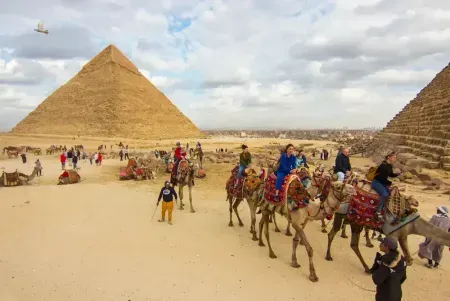
Egyptians are naturally multilingual, shifting between Modern Standard Arabic, Egyptian Arabic, and foreign languages depending on the context. This linguistic fluidity defines modern Egypt, blending tradition and modernity seamlessly. Many visitors explore ancient sites such as the Great Pyramids of Giza where multilingual guidance is readily available.
Language and Culture in Egypt
Language isn’t just about words; it’s about identity. Egyptians use their dialect to express humor, hospitality, and warmth. During national celebrations and festivals, language unites families through prayers, greetings, and expressions. Travelers exploring Egypt travel tips often discover how deeply language ties into everyday life and cultural customs.
Why Understanding Egypt’s Language Matters for Travelers
For tourists, learning basic phrases in Egyptian Arabic enriches the experience. Navigating areas like Luxor City or popular neighborhoods in Cairo becomes easier when armed with a few local words. While English will get you far, speaking Arabic, even at a beginner level, leaves a lasting impression of respect and curiosity.
 Explore our Cairo day tours →
FAQs About the Language Spoken in Egypt
What is the official language of Egypt?
Modern Standard Arabic is the official language, used in government, media, and education.
Do Egyptians speak English?
Yes, English is widely taught and commonly spoken in tourism, business, and universities.
What dialect of Arabic do Egyptians use daily?
Egyptian Arabic is the primary spoken dialect and is the most widely understood in the Arab world.
Is Coptic still spoken in Egypt?
Coptic survives mainly as a liturgical language in the Coptic Orthodox Church, though it’s no longer used in daily conversation.
What language did the Pharaohs speak?
The Pharaohs spoke Ancient Egyptian, which evolved into Coptic over centuries.
Can travelers get by with only English in Egypt?
Yes, especially in major cities and tourist areas, though learning a few Arabic phrases is helpful.
Why is Egyptian Arabic so well known across the Arab world?
Egypt’s film and music industries made Egyptian Arabic popular and widely understood.
Are there communities in Egypt that speak other languages?
Yes, communities use French, Armenian, Greek, Nubian, and Berber dialects, though Arabic remains dominant.
Conclusion – Egypt’s Language as a Living Heritage
So, what language is spoken in Egypt? The answer is layered. Modern Standard Arabic represents formality, Egyptian Arabic brings conversations to life, Coptic preserves Christian heritage, and foreign languages reflect global ties. From ancient inscriptions to modern travel experiences, language tells Egypt’s story of resilience and adaptability. Travelers planning cultural journeys often explore sites like the Egyptian Museum of Cairo or discover regional wonders through Egypt travel guides, deepening their appreciation of the country’s linguistic and cultural diversity. Whether you’re celebrating national traditions or learning hieroglyphics, embracing Egypt’s linguistic richness transforms a simple trip into a deeper cultural journey.
Curious where Egypt sits on the map? See whether Egypt is in Africa or the Middle East.