The Secrets of Napoleon's Egyptian Campaign: Unraveling the Ambition Behind the Desert Conquest
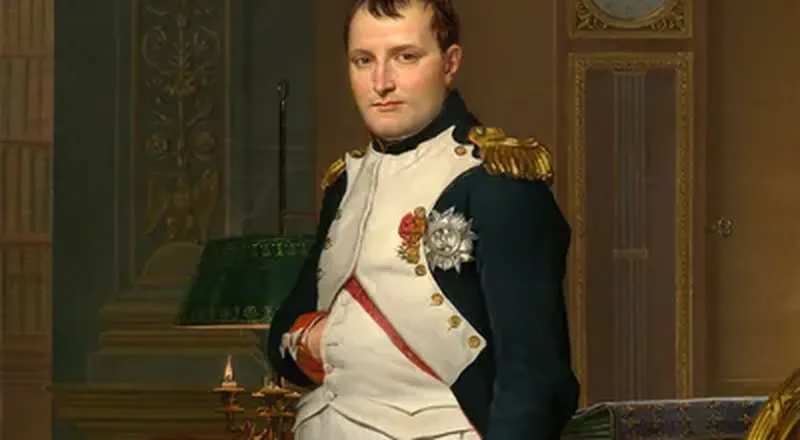
Napoleon Bonaparte's Egyptian Campaign remains one of the most fascinating and misunderstood military expeditions in world history. More than a mere attempt to cut Britain’s trade routes to India, it was a daring fusion of warfare, science, and imperial ambition. Launched in 1798, the campaign brought the French army to the ancient sands of Egypt, ignited the sparks of modern Egyptology, and reshaped the geopolitical map of the Middle East. Beneath the dust of history, the secrets of Napoleon’s Egyptian Campaign reveal an extraordinary blend of visionary leadership, propaganda, and the thirst for knowledge wrapped in the cloak of conquest. This audacious mission sought to bridge East and West, transforming Egypt from a forgotten Ottoman province into a stage for revolutionary ideas.
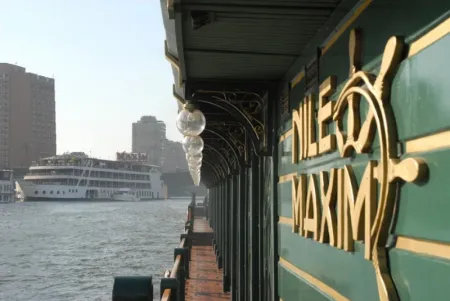
In truth, this campaign was not just about glory—it was about control, discovery, and legacy. Napoleon’s army included not only soldiers but also scholars, engineers, and artists who chronicled every monument, artifact, and scientific marvel they encountered. Their monumental publication, *Description de l’Égypte*, became a cornerstone of modern Egyptology, unlocking mysteries that had slumbered for centuries. Today, travelers exploring the Best Nile River Cruises can still trace the shadows of Napoleon’s journey through Cairo, Luxor, and Aswan, where the echoes of his troops still seem to whisper across the Nile’s golden waters.
Napoleon’s Hidden Motives: Beyond Military Glory
Napoleon’s Egyptian Campaign was not simply a bold military maneuver—it was a grand vision for empire. The First Consul of France sought to challenge British dominance by controlling the Red Sea trade routes, a move that could cripple Britain’s access to India. But Napoleon’s ambitions stretched far beyond strategy; he dreamed of reviving Egypt’s ancient glory under French influence. He envisioned a new civilization emerging from the Nile’s banks—one that would blend European rationalism with the mystique of the Orient.
He also sought to emulate Alexander the Great, whose conquests had left an indelible mark on Egypt centuries earlier. Napoleon saw himself as a modern pharaoh, destined to leave behind monuments of both knowledge and power. He encouraged his scholars to study the hieroglyphs, map the deserts, and record the flora and fauna. The campaign, though eventually doomed militarily, succeeded in creating a bridge between Western science and Eastern antiquity. Today, many Cairo Day Tours still celebrate this fusion of discovery and ambition, offering visitors glimpses into the sites Napoleon’s savants meticulously documented.
The Scientific Expedition: Birth of Modern Egyptology
Among the greatest secrets of Napoleon’s Egyptian Campaign lies the intellectual army that accompanied him. Over 160 scientists, engineers, mathematicians, and artists joined the French forces, transforming the expedition into a mobile academy. They established the Institut d’Égypte in Cairo, where they exchanged groundbreaking ideas that laid the foundation for modern Egyptology.
Perhaps the most significant discovery during the campaign was the Rosetta Stone, unearthed by French soldiers near Rosetta in 1799. This artifact became the key to deciphering ancient Egyptian hieroglyphs, unlocking a forgotten world of pharaohs and temples. Although the stone was later seized by the British, its discovery stands as a testament to the campaign’s enduring intellectual legacy. Visitors cruising the Nile on a Luxury Nile Cruise can appreciate how these early explorations laid the groundwork for the fascination that still surrounds Egypt’s ancient past.
The Strategic Chess Game: Britain, the Ottomans, and the Mamluks
Napoleon’s Egyptian Campaign was as much a diplomatic gamble as a military one. France sought to undermine British influence by establishing a foothold in the Middle East. The Ottoman Empire, nominal ruler of Egypt, viewed Napoleon’s invasion as an act of aggression. Yet, the Mamluks—Egypt’s powerful military elite—were the first to face his army in battle. The clash at the Battle of the Pyramids in July 1798 demonstrated the superiority of French tactics and technology. The French squares, disciplined and impenetrable, crushed the Mamluk cavalry in a matter of hours.
However, the victory was short-lived. The British fleet, under Admiral Horatio Nelson, decimated the French navy at the Battle of the Nile, cutting off Napoleon’s supply lines. This loss sealed the fate of the expedition. Still, the campaign had already changed the course of history by introducing Western modernity to Egyptian society and reigniting European curiosity about ancient Egypt. Those who take Luxury Egypt Tours often find themselves tracing this complex web of ambition, empire, and science woven along the banks of the Nile.
The Cultural Impact: Awakening Egypt’s Forgotten Majesty
While militarily disastrous, Napoleon’s invasion left an indelible cultural imprint on Egypt and Europe alike. The French scholars meticulously recorded temples, statues, and ruins that had long been neglected. Their studies revived global interest in ancient Egyptian civilization, sparking a wave of fascination that would sweep through art, architecture, and literature for centuries. Even as his armies withdrew, Napoleon’s vision of Egypt as a land of mystery and enlightenment persisted.
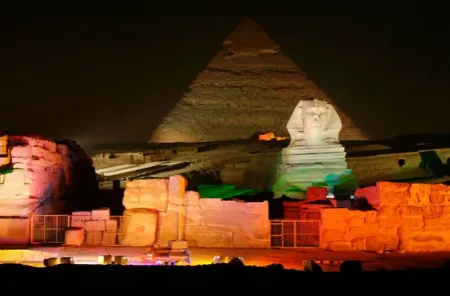
Many of the monuments studied by his team—such as the Great Pyramids of Giza and the Temple of Philae—remain key stops for travelers retracing his footsteps. The campaign transformed Egypt into a symbol of lost wisdom and ancient power, inspiring generations of explorers and Egyptologists to delve deeper into its secrets.
Napoleon’s Legacy in Egypt: Seeds of Modernization
Napoleon’s Egyptian Campaign, though short-lived, sowed the seeds of modernization in Egypt. His administration introduced new systems of taxation, irrigation, and local governance. The French engineers began projects to improve agricultural productivity and transportation, some of which influenced later Egyptian rulers. The campaign also exposed Egypt’s strategic potential to Europe, paving the way for increased Western involvement in the 19th century.
In the long run, Napoleon’s presence awakened a sense of national identity among Egyptians themselves. His soldiers, scientists, and artists left behind maps, drawings, and studies that provided invaluable insights into the country’s geography and history. For modern adventurers embarking on Egypt Travel Guide experiences, understanding Napoleon’s role helps unravel how Egypt’s transformation from ancient glory to modern revival truly began.
The Hidden Costs: The Human and Cultural Toll
Behind the glory and grandeur of Napoleon’s Egyptian Campaign lay immense suffering. Thousands of soldiers died from disease, heat, and battle. Local populations endured looting, forced labor, and cultural upheaval. The French occupation strained relations between locals and foreigners, leaving scars that lingered long after the troops departed. Yet, amid this turmoil, the interaction between Eastern and Western traditions brought about an unexpected cultural cross-pollination that shaped modern Egypt.
The expedition also highlighted the devastating consequences of imperial ambition. Napoleon’s failure in Egypt foreshadowed his later downfall in Europe, reminding the world that even the most brilliant strategies can crumble under the weight of hubris. Still, his fascination with Egypt’s timeless mystique contributed to the global rediscovery of its civilization—a fascination that continues to draw travelers on Egypt Vacation Packages to witness the same wonders that once captivated him.
FAQs About the Secrets of Napoleon's Egyptian Campaign
What was Napoleon’s main goal in invading Egypt?
Napoleon aimed to strike at Britain by severing its trade route to India while establishing a French presence in the Middle East. He also sought to spread Enlightenment ideals and explore Egypt’s ancient civilization, hoping to combine conquest with scientific discovery.
How did the Egyptian Campaign influence modern Egyptology?
The campaign introduced systematic archaeological documentation through the work of French scholars. Their findings, compiled in the *Description de l’Égypte*, laid the foundation for modern Egyptology and inspired further exploration of Egypt’s monuments and history.
What role did the Rosetta Stone play in the campaign?
The Rosetta Stone, discovered by French soldiers in 1799, became the key to deciphering ancient Egyptian hieroglyphs. Although it ended up in British hands, its discovery remains one of the most important legacies of Napoleon’s expedition.
Why did the campaign ultimately fail?
Despite early victories, the French forces were isolated after the British destroyed their fleet at the Battle of the Nile. Disease, supply shortages, and local resistance further weakened the troops, leading to the campaign’s eventual failure.
What lasting impact did Napoleon’s Egyptian Campaign have on Egypt?
Though short-lived, the campaign introduced modernization concepts, inspired national consciousness, and revived global fascination with Egypt’s ancient past. It laid the groundwork for Egypt’s rediscovery as a cultural and historical treasure that continues to enchant travelers today.