

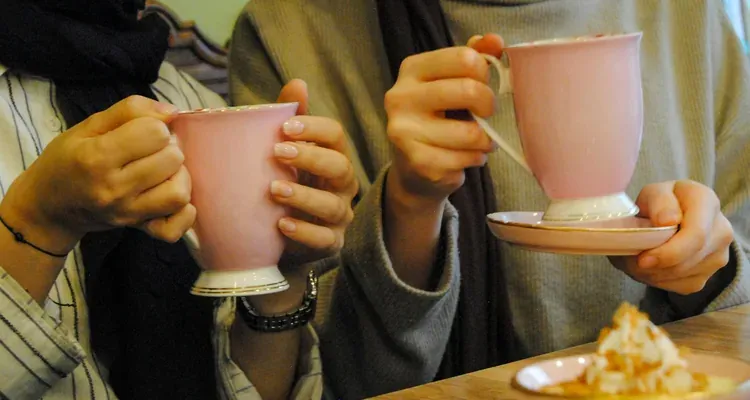
Sahlab is a creamy, fragrant Egyptian drink traditionally enjoyed during the chilly winter months. Made from milk, orchid root flour, and delicate toppings like cinnamon and nuts, sahlab is both comforting and indulgent. This classic beverage is easy to prepare at home, offering an authentic taste of Egypt’s vibrant street food culture and a warming treat for cold evenings.
Key Takeaways
- Sahlab is a traditional Egyptian winter drink made with milk, orchid root flour, and aromatic toppings.
- The drink is naturally gluten-free and can be adapted for vegan diets using plant-based milk.
- Sahlab is commonly sold by street vendors in Cairo and Alexandria during the colder months.
- Popular toppings include cinnamon, shredded coconut, and crushed pistachios for added flavor and texture.
The Story Behind Sahlab: Egypt’s Beloved Winter Warmer
Egypt’s bustling streets come alive in winter with the comforting aroma of sahlab wafting from local cafés and street vendors. Sahlab, pronounced “sa-hlab,” traces its roots to the Ottoman Empire and has become a staple in Egyptian culture. The drink’s base—orchid root flour, known as salep—gives sahlab its signature velvety texture and subtle floral notes. Today, sahlab evokes nostalgia for Egyptians, reminiscent of family gatherings, festive celebrations, and cozy evenings spent by the Nile.
Essential Ingredients for Authentic Egyptian Sahlab
The magic of sahlab lies in its simplicity and the quality of its ingredients. Traditional recipes use orchid root flour, but modern versions often substitute cornstarch for convenience. The core components include:
- Full-fat milk (or plant-based alternatives for a vegan option)
- Orchid root flour or cornstarch
- Sugar for sweetness
- Orange blossom or rose water for fragrance
- Toppings: ground cinnamon, shredded coconut, crushed pistachios, and raisins
For those exploring Egyptian cuisine, sahlab pairs beautifully with other desserts such as roz bel laban rice pudding, offering a complete winter treat.
Step-by-Step Sahlab Recipe: How to Make It at Home
Creating sahlab at home is a delightful ritual that requires just a few steps. Begin by dissolving your orchid root flour or cornstarch in a small portion of cold milk to prevent lumps. Heat the remaining milk in a saucepan over medium heat, then slowly add the flour mixture while stirring constantly. Once the mixture thickens, sweeten with sugar and infuse with orange blossom or rose water.
Directions
- Combine 3 cups of milk and 3 tablespoons of orchid root flour or cornstarch in a saucepan.
- Stir constantly over medium heat until the mixture thickens to a custard-like consistency.
- Add 2–3 tablespoons sugar (to taste) and a teaspoon of orange blossom or rose water.
- Pour into mugs and garnish with cinnamon, coconut, pistachios, and raisins.
The result is a silky, aromatic drink that warms from the inside out—a perfect companion for winter nights after exploring Cairo’s historic museums.
Where to Enjoy Sahlab in Egypt
Sahlab is a beloved feature of Egypt’s winter street food scene. Vendors in Cairo, Alexandria, and along the Nile serve generous mugs topped with a flourish of cinnamon and nuts. Popular spots include bustling city cafés and kiosks near landmarks like the Grand Egyptian Museum. Sahlab is also a highlight during special events and festivals, where it brings people together in celebration and warmth.
Health Benefits and Dietary Variations
Sahlab’s primary ingredient, orchid root flour, is naturally gluten-free and believed to aid digestion. The drink is rich in calcium and can be tailored to suit various dietary needs. For a lighter version, use low-fat milk or a dairy-free alternative like almond or coconut milk. Sweeteners can be adjusted to taste, and toppings can be omitted for a simpler drink. For those following plant-based diets, sahlab is easily veganized, making it accessible to all.
Sahlab and Egyptian Hospitality
Serving sahlab is a gesture of hospitality in Egyptian homes, symbolizing warmth and generosity. It’s often offered to guests during winter gatherings, paired with traditional sweets or savory snacks. The ritual of preparing and sharing sahlab reflects Egypt’s rich culinary heritage and the importance of togetherness, much like enjoying authentic Egyptian shawarma at family feasts.
Sahlab in Modern Egyptian Cuisine
While sahlab remains a winter favorite, it has also found its way into contemporary Egyptian cafés and dessert menus. Creative chefs incorporate sahlab flavors into puddings and ice creams, blending tradition with innovation. Whether enjoyed in a bustling Cairo café or prepared at home, sahlab offers a timeless connection to Egypt’s culinary roots and a delicious way to experience local flavors during your 10-day Egypt itinerary.
Pairing Sahlab with Egyptian Experiences
Sahlab is best enjoyed after a day of sightseeing or during a relaxing Nile cruise. Imagine sipping a hot cup on the deck of the MS Nile Excellence as the sun sets over the river—a truly memorable Egyptian experience. The drink’s comforting warmth provides the perfect end to exploring ancient wonders and vibrant city life.
Frequently Asked Questions
What is sahlab made from?
Sahlab is made from milk, orchid root flour or cornstarch, sugar, and is flavored with orange blossom or rose water, then topped with cinnamon, coconut, and nuts.
Is sahlab gluten-free?
Yes, traditional sahlab made with orchid root flour is naturally gluten-free; if using cornstarch as a substitute, it remains gluten-free as well.
Can I make sahlab vegan?
Yes, you can make vegan sahlab by using almond, coconut, or soy milk instead of dairy milk and ensuring all toppings are plant-based.
Where can I try sahlab in Egypt?
Sahlab is widely available in Egyptian cafés, street vendors, and near major attractions such as the Grand Egyptian Museum and along the Nile in cities like Cairo and Alexandria.
What are the best toppings for sahlab?
The most popular sahlab toppings are ground cinnamon, shredded coconut, crushed pistachios, and sometimes raisins for added sweetness and texture.