
Egypt remains one of the world’s most magnetic travel destinations in 2026, drawing visitors with the Pyramids of Giza, Nile cruises, Red Sea resorts, ancient temples, bustling souks, and layered history at every turn. Yet before booking flights and packing sunscreen, most travelers ask the same thing: what is the real story about safety in Egypt for tourists in 2026? The short answer is reassuring. Most tourist trips to Egypt are trouble-free, especially when travelers stick to well-known routes, use licensed transport, follow hotel guidance, and keep up with official travel updates. Even so, safety in Egypt for tourists in 2026 depends on knowing where to go, what to avoid, and how to move around wisely.
Here’s the big picture. Egypt’s main tourism hubs, including Cairo, Giza, Luxor, Aswan, Sharm El Sheikh, Hurghada, and major Nile cruise corridors, continue to receive strong security attention because tourism is crucial to the economy. Visible checkpoints, hotel screening, police presence near historic sites, and airport-style inspections at some attractions are now part of the normal travel rhythm. That doesn’t mean every concern disappears. Petty theft, taxi overcharging, harassment in crowded areas, road safety issues, heat-related illness, and scams aimed at tourists remain the most realistic day-to-day problems. In a handful of remote border areas, the security picture is far more sensitive, so route planning matters a lot.
If you’re weighing whether Egypt is safe for solo travelers, families, women, older visitors, or first-time international tourists, the answer in 2026 is yes—with caveats. Safety in Egypt for tourists in 2026 is strongest when travelers stay situationally aware, avoid unnecessary night travel on long roads, book reputable guides, carry modest clothing for religious and local settings, and use common sense in crowds. Think of it this way: Egypt rewards prepared travelers. Know the local rhythm, respect customs, keep your valuables close, and the country opens up beautifully. From Cairo’s chaotic charm to the calm of Upper Egypt and the polished ease of Red Sea resorts, a safe trip is absolutely realistic when smart habits lead the way.
Is Egypt Safe for Tourists in 2026? A Realistic Risk Assessment for Popular Travel Areas
For most visitors, safety in Egypt for tourists in 2026 is best described as manageable and generally good in established tourism zones. Cairo and Giza are busy, intense, and heavily policed around major attractions. Luxor and Aswan remain among the safest cultural destinations for organized tourism, while Red Sea resorts such as Sharm El Sheikh and Hurghada are designed with tourism security in mind. Travelers usually encounter more hassle than danger: persistent vendors, pricing games, pushy sales tactics, and occasional pickpocketing in congested places. Violent crime against tourists is uncommon in major visitor areas, though no destination is risk-free.
The main distinction is geographic. Safety in Egypt for tourists in 2026 is much stronger in resort zones, cruise routes, museums, and landmark sites than in remote desert regions and certain border-adjacent locations. Travelers should check current government advisories before heading to North Sinai or isolated frontier areas. In practical terms, if your itinerary focuses on Cairo, Giza, Alexandria, Luxor, Aswan, Abu Simbel via approved routes, and the Red Sea, your safety profile is far better than if you improvise in restricted or lightly monitored regions.
Safest Places to Visit in Egypt in 2026 for Families, Couples, and Solo Travelers
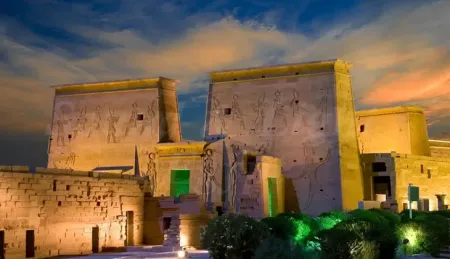
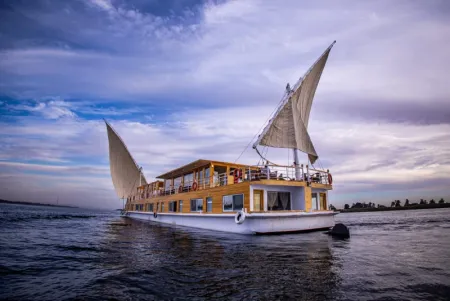
When planning around safety in Egypt for tourists in 2026, several destinations consistently stand out. Sharm El Sheikh and Hurghada offer controlled resort environments, private transport options, reliable excursions, and a tourism-first setup that many families find reassuring. Luxor and Aswan feel more relaxed than Cairo and are easier to navigate with a guide. Nile cruises remain a popular choice because they combine security, convenience, and structured sightseeing. Cairo, while safe enough for most tourists, demands sharper street smarts due to traffic, crowds, and urban intensity.
Solo travelers can travel safely in Egypt in 2026 by choosing central hotels, arranging airport transfers in advance, and limiting unplanned late-night wandering in unfamiliar neighborhoods. Couples and families usually find guided day tours especially useful for reducing stress and avoiding transport headaches. In short, safety in Egypt for tourists in 2026 improves dramatically when itineraries are built around established tourism infrastructure.
Areas to Avoid in Egypt in 2026 and Why Travel Advisories Matter
Not every part of the country carries the same level of comfort or security. For accurate safety in Egypt for tourists in 2026, it’s wise to avoid restricted military zones, remote border corridors, and any area flagged by current travel advisories. North Sinai remains the clearest no-go region for leisure travel. Some desert routes also require permits, escorts, or licensed operators. Going off-grid without official arrangements isn’t adventurous; it’s risky. Travel advisories matter because conditions can shift, checkpoints can tighten, and road access can change quickly.
Use current embassy guidance, ask your hotel, and confirm excursion operators are licensed. If a guide says a route is unavailable, don’t push it. Safe travel in Egypt in 2026 means respecting local security protocols instead of trying to outsmart them.
Street Safety in Cairo, Giza, Luxor, and Alexandria for Foreign Visitors
Street-level safety in Egypt for tourists in 2026 usually comes down to awareness, confidence, and boundaries. In Cairo and Giza, keep bags zipped, phones secure, and wallets out of back pockets. Cross roads carefully; traffic is often a bigger threat than crime. In markets and near famous monuments, expect touts to approach aggressively. A firm no, thank you and steady walking usually does the trick. Alexandria feels more laid-back, though crowded waterfront areas still require attention to personal belongings. Luxor is tourist-friendly but full of sales pressure near temples and riverfront promenades.
Public displays of frustration rarely help. Calm, direct communication works better. Don’t flash cash, don’t accept unsolicited help with tickets or ATMs, and don’t assume friendliness is always free. That said, many Egyptians are genuinely hospitable, and countless tourists report warm, generous interactions throughout their trip.
How to Avoid Scams, Harassment, and Petty Theft in Egypt in 2026
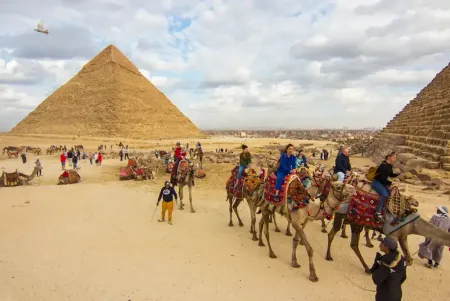
Scams are one of the most common issues affecting safety in Egypt for tourists in 2026. Typical tricks include inflated taxi fares, fake “closed entrance” claims at attractions, surprise camel or horse photo fees, and unofficial guides offering shortcuts. Agree on transport prices in advance or use ride apps where available. Buy tickets only from official counters. Keep small bills handy, because overpayment often leads to “no change” games.
Harassment, especially verbal harassment, can happen in crowded streets and around tourist hotspots. Modest clothing helps reduce attention, though it doesn’t eliminate it. Women travelers often prefer private guides, hotel-arranged transport, and daytime sightseeing. Petty theft is preventable: wear a crossbody bag, use hotel safes, and keep passport copies separate from originals. Safety in Egypt for tourists in 2026 improves fast when travelers cut off easy opportunities for scammers.
Transportation Safety in Egypt for Tourists in 2026: Taxis, Ride Apps, Trains, and Road Travel
Transportation is a major part of safety in Egypt for tourists in 2026. In cities, ride-hailing apps are often the safest and least stressful option because fares are tracked and routes are logged. Traditional taxis can work, but fare disputes are common unless the price is agreed before the ride. Hotel cars and licensed private transfers offer the most consistent experience for airport pickups and early-morning departures.
Road safety deserves special attention. Driving standards can be unpredictable, lane discipline is loose, and night driving on long intercity roads isn’t ideal. For that reason, many tourists choose domestic flights, organized coach transfers, or reputable tour transport instead of self-driving. Trains between major cities are widely used, though travelers should book appropriate classes and keep luggage close. As always, safety in Egypt for tourists in 2026 is higher when transport is prearranged rather than improvised on the curb.
Health, Food, Water, and Weather Safety Tips for Egypt Travel in 2026
Health risks can derail a trip faster than security concerns. Safety in Egypt for tourists in 2026 includes staying hydrated, avoiding untreated tap water, and being careful with street food if your stomach is sensitive. Bottled or properly filtered water is the standard choice. Eat at busy, reputable restaurants where turnover is high. Wash hands often and carry sanitizer for long sightseeing days.
Heat is a serious concern, especially from late spring through early autumn. Sunstroke and dehydration can creep up fast during pyramid visits, desert excursions, and temple walks with little shade. Wear lightweight clothing, a hat, high-SPF sunscreen, and pace yourself. If you’re visiting during summer, schedule outdoor sightseeing early and rest during the hottest hours. Add travel insurance with medical coverage, because good planning is a cornerstone of safety in Egypt for tourists in 2026.
Cultural Safety and Local Laws in Egypt: What Tourists Should Respect in 2026
Respect for local norms isn’t just about manners; it directly affects safety in Egypt for tourists in 2026. Dress modestly outside beach resorts, particularly in mosques, traditional neighborhoods, and smaller towns. Ask before photographing people, and be extra cautious around government buildings, bridges, police, or military sites. Drug laws are strict, public drunkenness can attract trouble, and loud confrontations rarely end well.
During Ramadan and religious holidays, daily rhythms shift, and some travelers choose to be more discreet with eating and drinking in public during fasting hours. Same-sex travelers and unmarried couples generally visit Egypt without issue in mainstream tourist settings, but discretion remains sensible due to conservative social norms. A little cultural fluency goes a long way. Safety in Egypt for tourists in 2026 improves when visitors blend respect with confidence.
Frequently Asked Questions About Safety in Egypt for Tourists in 2026
Is Egypt safe for American, British, and European tourists in 2026?
Yes, Egypt is generally safe for American, British, and European tourists in 2026 when they stay in established tourism areas and follow official travel advice. The most common problems are scams, harassment, and transport issues rather than serious crime. Travelers should avoid restricted border areas and use reputable guides and transport.
Is Egypt safe for solo female travelers in 2026?
Egypt can be safe for solo female travelers in 2026, but it usually requires more planning and firmer boundaries. Modest clothing, hotel-arranged transport, guided tours, and avoiding isolated areas at night can reduce hassle significantly. Many women travel successfully in Egypt every year, especially on structured itineraries.
Is Cairo safe for tourists in 2026?
Cairo is safe for many tourists in 2026, though it’s hectic and demands attention. Traffic, crowds, pushy vendors, and petty theft are the main concerns. Staying in a reputable area, using ride apps, and keeping valuables secure make a big difference.
What is the biggest safety risk for tourists in Egypt in 2026?
The biggest safety risks for tourists in Egypt in 2026 are usually road safety, scams, extreme heat, and petty theft rather than violent crime. Poorly planned transport and dehydration can cause more trouble than most travelers expect, so logistics and health precautions matter.
Should tourists book guided tours in Egypt for safety in 2026?
In many cases, yes. Guided tours can improve safety in Egypt for tourists in 2026 by simplifying transport, reducing scam exposure, and providing local knowledge at busy sites. Independent travel is possible, but first-time visitors often find that a quality guide makes the trip smoother and safer.
Is it safe to visit the Pyramids, Luxor, and Aswan in 2026?
Yes, these are among the most visited and best-secured tourist areas in Egypt in 2026. Visitors should still watch for touts, secure personal belongings, and book official tickets and reputable transport. With normal precautions, these iconic destinations are considered viable and popular stops.