

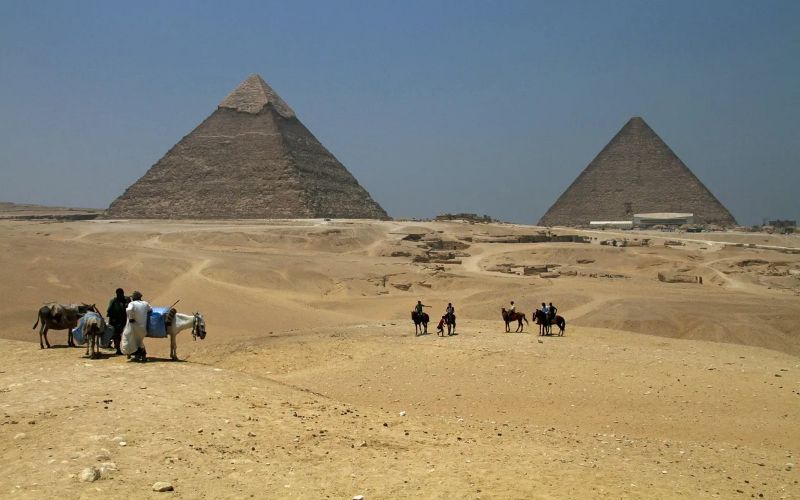
Standing sentinel on the Giza Plateau, the Pyramid of Khafre is a testament to the ambition, artistry, and enduring legacy of ancient Egypt. Often overshadowed by its colossal neighbor, the Great Pyramid of Khufu, Khafre’s pyramid commands attention with its own unique allure—its limestone capstone still clinging to the summit, its imposing silhouette rising above the desert, and its direct connection to the enigmatic Sphinx. For discerning travelers seeking an immersive journey into Egypt’s royal past, the Pyramid of Khafre offers an experience that goes beyond sightseeing, inviting you to walk in the footsteps of kings and architects whose vision shaped the world’s greatest civilization. Whether you are planning a grand adventure or considering custom-made trips to Egypt, understanding the story of this iconic monument is essential for any luxury traveler.
From its construction during the Old Kingdom to the mysteries that still intrigue Egyptologists today, the Pyramid of Khafre is more than an ancient tomb—it is a living chapter in the narrative of Egypt. The monument’s architectural sophistication, its alignment with celestial bodies, and its relationship with the Great Sphinx of Giza create a tapestry of wonder for those who crave both knowledge and inspiration. Prepare to be captivated by the secrets, splendor, and stories that surround this ancient marvel.
Origins of the Pyramid of Khafre: A Royal Vision
The Pyramid of Khafre was commissioned by Pharaoh Khafre, son of Khufu and ruler during Egypt’s Fourth Dynasty (circa 2558–2532 BCE). Unlike his father’s pyramid, Khafre’s was designed with a distinctive approach, reflecting both continuity and innovation. The pyramid originally stood at 143.5 meters (471 feet), making it only slightly shorter than the Great Pyramid, but its elevated location on the plateau and the preservation of its limestone casing create the illusion of superior height.
Khafre’s vision extended beyond the pyramid itself. The complex includes a mortuary temple, a valley temple, and the causeway that connects them. These structures were pivotal for royal funerary rituals and underscore the pharaoh’s quest for immortality.
Architectural Marvels: Design, Construction, and Innovations
The Pyramid of Khafre is a masterpiece of ancient engineering. Its core is constructed from large limestone blocks, while the outer casing was originally clad in smooth Tura limestone, a feature that allowed the pyramid to gleam under the Egyptian sun. The remaining capstone at the summit is a rare survivor, offering a glimpse into how these monuments once dazzled visitors. The precision with which the pyramid was built—aligned almost perfectly with the cardinal points—demonstrates the advanced understanding of mathematics and astronomy possessed by ancient Egyptian architects. This attention to detail continues to inspire awe among visitors and scholars alike, and is often discussed during the Grand Museum and Pyramids Tour.
One of the pyramid’s most impressive features is its internal structure. The burial chamber is located deep within the pyramid, accessed via a descending passage. This design not only protected the pharaoh’s remains but also reflected the Egyptian belief in the journey to the afterlife. The mortuary and valley temples, constructed from massive limestone and granite blocks, are adorned with reliefs depicting Khafre’s divine status. For architecture enthusiasts and those captivated by ancient craftsmanship, the pyramid offers a unique opportunity to witness the ingenuity that has withstood the test of time—a story often highlighted in guides like the Cairo Travel Agents Guide.
The Pyramid Complex: Temples, Causeways, and the Sphinx
The Pyramid of Khafre is not an isolated structure; it is the centerpiece of a grand funerary complex. The mortuary temple, situated adjacent to the pyramid, was the site of daily offerings and rituals to honor the deceased king. Connected by a long causeway, the valley temple served as the ceremonial entrance to the complex. These temples were once adorned with statues of Khafre, many of which are now displayed in museums around the world, offering a glimpse into the artistry of the Old Kingdom. For luxury travelers, exploring these temples during a 07 Days Luxury Egypt Trip provides an exclusive window into ancient royal life.
Perhaps the most iconic companion to the Pyramid of Khafre is the Great Sphinx, a colossal limestone statue believed to bear the likeness of Khafre himself. The Sphinx, with its lion’s body and human head, stands as a guardian of the pyramid complex and is shrouded in myths and legends. Its alignment with the pyramid and the rising sun speaks to the Egyptians’ sophisticated understanding of astronomy and symbolism.
Symbolism and Religious Significance
The architectural layout of the Pyramid of Khafre and its associated temples was not only a demonstration of royal power but also a reflection of deep religious beliefs. The pyramid itself symbolized the primordial mound from which the world was created, while its pointed shape represented the sun’s rays, connecting the pharaoh to the gods. The orientation of the pyramid and the alignment of the causeway with the solstice sunrise highlight the Egyptians’ reverence for the cosmos.
The mortuary temple’s reliefs and statues further emphasize Khafre’s divine status, depicting him in the company of gods such as Horus and Osiris. These artistic representations were designed to ensure the pharaoh’s successful journey to the afterlife and his continued influence over Egypt.
Unveiling the Mysteries: Archaeological Discoveries and Ongoing Research
The Pyramid of Khafre has been the focus of archaeological exploration for centuries, revealing both answers and new questions. Early explorers marveled at the precision of the pyramid’s construction and the scale of its complex. Modern excavations have uncovered artifacts, statues, and inscriptions that shed light on the daily life of workers, the logistics of construction, and the religious practices of the time.
One of the most significant discoveries is the intricate network of boat pits and subsidiary tombs surrounding the pyramid. These features highlight the complexity of the site and its importance as a royal necropolis. The preservation of the limestone casing at the pyramid’s summit has provided invaluable information about ancient construction techniques.
Experiencing the Pyramid of Khafre: Planning Your Visit
A journey to the Pyramid of Khafre is a highlight of any Egyptian adventure, especially for those seeking an elevated travel experience. The site is easily accessible from Cairo and is often included in curated itineraries that blend history, luxury, and personalized service. For travelers interested in exclusive access and tailored experiences, engaging with Egypt Private Tours ensures a seamless and enriching visit, complete with expert guides and bespoke amenities.
These sites offer contrasting glimpses into Egypt’s royal heritage and architectural diversity.
Luxury Travel Tips: Making the Most of Your Giza Experience
For luxury travelers, a visit to the Pyramid of Khafre can be elevated with thoughtful planning and exclusive experiences. Private tours offer early access to the site, allowing you to explore the pyramid and its complex before the crowds arrive. Consider pairing your visit with a curated itinerary that includes the Avenue of Sphinxes in Luxor, where you can stroll along the ancient processional route once reserved for pharaohs and priests.
For those seeking seasonal celebrations, booking during the festive period with Egypt Christmas Tours adds a magical touch to your journey. Expert guides, luxury transfers, and exclusive access to archaeological sites ensure that your experience is as memorable as it is meaningful. For inspiration and practical advice, the Cairo Travel Agents Guide is an invaluable resource for crafting the perfect Giza adventure.
Beyond the Pyramids: Exploring Egypt’s Rich Heritage
While the Pyramid of Khafre is a crown jewel of the Giza Plateau, Egypt’s treasures extend far beyond its ancient tombs. From the lush gardens of Montazah Palace to the timeless allure of the Nile, each destination offers a unique chapter in the story of Egypt. Curated journeys such as the 11 Days Luxury Egypt Tour Package and the 09 Days Egypt and Nubia Tour blend the wonders of antiquity with modern luxury, ensuring that every moment is unforgettable.
For travelers seeking personalized adventures, engaging with experts in Egypt Private Tours unlocks access to exclusive sites, hidden gems, and bespoke experiences. Whether you dream of sailing the Nile, exploring royal tombs, or savoring gourmet cuisine beneath the desert stars, Egypt promises a journey that is as enchanting as it is enriching.
Conclusion: The Enduring Legacy of the Pyramid of Khafre
The Pyramid of Khafre stands as a monument to human ingenuity, ambition, and the eternal quest for immortality. Its enduring presence on the Giza Plateau invites travelers from around the world to marvel at the achievements of ancient Egypt and to experience the magic of a civilization that continues to inspire awe. Whether you are drawn by history, architecture, or the promise of adventure, a visit to the Pyramid of Khafre is an essential chapter in your Egyptian journey.
For those seeking the ultimate in luxury and discovery, curated experiences such as the 07 Days Luxury Egypt Trip or an Egypt Nile Cruise Luxury ensure that your exploration of Khafre’s pyramid is as seamless as it is unforgettable. As you stand in the shadow of this ancient wonder, you become part of a timeless story—one that continues to captivate, inspire, and delight travelers from every corner of the globe.
Want the bigger picture? Learn how many pyramids are in Egypt and see where the Pyramid of Khafre fits among them.
Related reading: The Red Pyramid of Egypt: Facts & History · Step Pyramid of Djoser at Saqqara: History & Facts.