

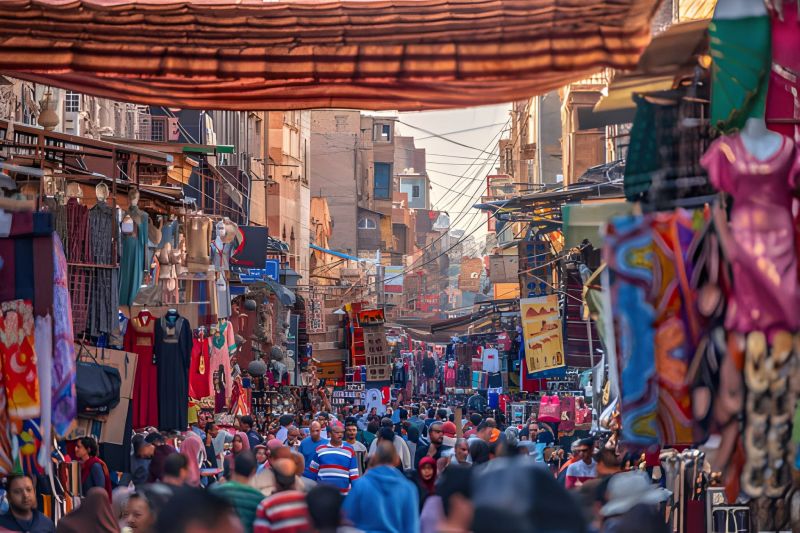
Local life in Egypt is a captivating blend of ancient heritage and modern vitality. Every corner of this timeless land radiates a sense of continuity between the past and present. From the bustling energy of Cairo’s streets to the serene rhythms along the Nile River, the daily experiences of Egyptians are deeply rooted in tradition, community, and an unshakable sense of hospitality. The country’s diverse geography crafts distinct lifestyles—coastal towns hum with maritime charm, desert villages echo the whispers of ancient tribes, and riverbank communities thrive with agriculture and art.
To truly grasp Egypt’s soul, one must look beyond its iconic pyramids and temples. The rhythm of daily life—morning calls to prayer, aromatic coffee shops, lively souks, and family gatherings—reveals the heart of a people whose resilience and warmth have stood tall for millennia. Locals balance modern aspirations with centuries-old customs, creating a dynamic tapestry of faith, art, and social cohesion. Whether wandering through the narrow alleys of Khan al-Khalili or savoring koshari from a street vendor, the authenticity of Egyptian life is a story of harmony between old and new.
Understanding local life in Egypt means immersing yourself in the everyday—appreciating how Egyptians celebrate festivals, share meals, cherish family, and navigate their fast-growing cities. It’s about feeling the pulse of Cairo’s cafés, the tranquility of Luxor’s farmland, and the warmth of Aswan’s Nubian homes. This article explores local life across Egypt’s key regions, diving into the traditions, customs, and daily habits that shape one of the most hospitable societies on Earth.
Daily Routines and Social Harmony in Egyptian Life
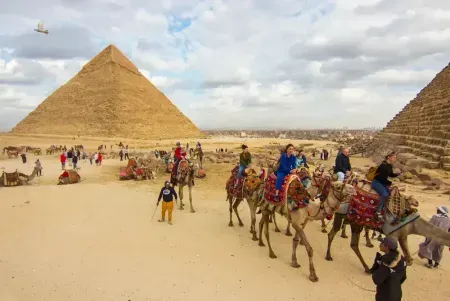 See our best Egypt tour packages →
Egyptian daily life flows with rhythm and purpose. The day often begins early—farmers tending to crops along the Nile, city dwellers heading to offices, and vendors arranging their stalls. The morning air carries the scent of freshly baked baladi bread and strong, sweet tea. The call to prayer punctuates the day, guiding spiritual reflection and community connection. Egyptians live closely with their families, and social interaction plays a key role in their happiness and well-being.
In urban centers like Cairo City, life moves at a brisk pace. Traffic hums, street vendors shout their offerings, and every plaza feels alive. Yet, despite the hustle, Egyptians value warmth and friendliness. A simple greeting or shared meal can spark lifelong friendships. In smaller towns, time slows down—a neighbor drops by unannounced, and evening tea is enjoyed under the stars as conversations flow freely.
Family and Community Bonds
Family is the cornerstone of local life in Egypt. Multi-generational households are common, and respect for elders anchors the social structure. Family celebrations, from weddings to religious feasts, gather entire neighborhoods in joyful union. Egyptians take pride in hospitality, often inviting guests to share home-cooked meals that feature traditional dishes passed down for generations. Social cohesion thrives on generosity, mutual respect, and the belief that happiness is multiplied when shared.
Food Culture and Culinary Traditions
Egyptian cuisine mirrors the diversity of its people. Every region brings its flavors—Alexandria’s Mediterranean dishes, Luxor’s hearty stews, and Aswan’s Nubian specialties. Street food is an essential part of local culture, from falafel and ful medames to shawarma and stuffed grape leaves. Meals are often communal, enjoyed on large platters that encourage conversation and laughter. For many Egyptians, food isn’t merely sustenance—it’s a celebration of life itself.
To explore Egypt’s culinary side, travelers often join local food markets or cooking classes through curated Egypt Vacation Packages that dive deep into regional kitchens and authentic dining rituals.
The Spirit of Egyptian Cities: Where Old Meets New
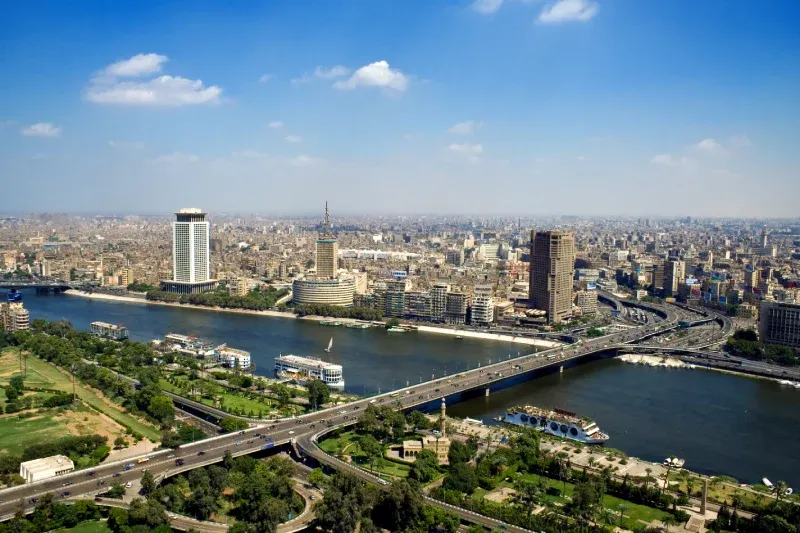
Egypt’s cities pulse with a blend of ancient majesty and modern energy. In Cairo, life unfolds in contrasts—gleaming skyscrapers stand beside medieval mosques, while traditional markets coexist with chic cafés. The sprawling metropolis embodies Egypt’s evolution, where locals balance heritage with innovation. Street art, music, and digital entrepreneurship now blend seamlessly with millennia-old cultural pride.
Cairo: The City That Never Sleeps
As Egypt’s capital, Cairo epitomizes the nation’s dynamic lifestyle. Its neighborhoods tell layered stories—Downtown reflects colonial-era grandeur, Zamalek offers artistic flair, and Islamic Cairo preserves architectural treasures. Locals navigate this maze of history with ease, engaging in everything from business meetings to family picnics along the Corniche. Evenings transform the city into a sparkling stage, where Nile cruises, open-air cafés, and live music define its vibrant nightlife. Those seeking immersive experiences can explore Cairo’s lively streets through Cairo Day Tours, offering encounters with artisans, local storytellers, and hidden gems.
Luxor and Aswan: The Soul of the South
In Upper Egypt, the pace slows and serenity takes hold. Luxor, known for its ancient temples and farming life along the Nile, reveals Egypt’s timeless soul. Locals tend to sugarcane fields, craft pottery, and preserve customs passed down for centuries. Evening felucca rides glide past the glowing temples, reminding visitors that life here moves with the rhythm of the river. A visit to Luxor City showcases the harmony between ancient glory and modern simplicity.
Further south, Aswan’s Nubian villages charm travelers with their colorful houses, music, and smiles. The Nubians are known for their hospitality and artistry—hand-painted murals, beadwork, and storytelling thrive in these communities. Experiencing local life in The Nubian Village offers a rare glimpse into a culture that cherishes peace and tradition.
Traditional Markets and Handicrafts: Heartbeat of Egyptian Commerce
Bazaars and souks are the lifeblood of Egyptian trade. They buzz with voices bargaining over spices, perfumes, textiles, and antiques. Markets like Khan al-Khalili in Cairo or Souq al-Luxor in the south are not merely shopping spots—they are cultural theaters where locals and visitors interact in a timeless dance of negotiation and storytelling.
Craftsmanship and Artistry
Egyptian artisans preserve their heritage through intricate crafts. Pottery, copperware, papyrus art, and jewelry carry symbols of ancient Egypt reinterpreted for modern times. Each piece tells a story, connecting the maker to their ancestors. Travelers interested in these crafts often explore workshops during Best Nile River Cruises, where stops at riverside artisan villages reveal the country’s deep artistic legacy.
Festivals and Local Celebrations
Egypt’s festivals burst with color and community. Whether it’s the joyous Eid gatherings, the Coptic Christmas, or the Moulid celebrations dedicated to saints, Egyptians express their faith and culture with music, food, and joy. Streets light up with lanterns, mosques and churches echo with prayers, and households share sweets like kahk and basbousa. Festivals strengthen bonds, reminding everyone that unity defines the Egyptian identity.
Rural Egypt: Simplicity and Connection to Nature
Beyond the cities, Egypt’s countryside paints a different picture of daily life. Villages along the Nile Delta and Upper Egypt thrive on agriculture and craftsmanship. Life here moves with the seasons—planting, harvesting, and celebrating each cycle. Farmers rely on wisdom inherited from ancestors who once fed the pharaohs. The relationship between Egyptians and the Nile remains sacred, symbolizing not only sustenance but also spiritual continuity.
For travelers seeking authentic immersion, Dahabiya Cruises offer an intimate journey through local riverine communities, connecting explorers to the serene heart of Egypt away from the crowds.
Faith and Spirituality in Everyday Life
Religion profoundly shapes local life in Egypt. Islam and Christianity coexist harmoniously, influencing architecture, music, and social customs. Mosques and churches are central to community life, serving not just as places of worship but also centers of education and charity. The call to prayer, church bells, and festive gatherings create a unique spiritual symphony that resonates through cities and villages alike.
Respect for Tradition in Modern Times
Despite modernization, Egyptians maintain a respectful balance between progress and tradition. Dress codes, greetings, and hospitality follow deeply ingrained cultural norms. Women play increasingly dynamic roles in society while continuing to uphold family traditions. Modern life evolves around enduring values—faith, respect, and generosity remain the pillars of local identity.
Entertainment, Music, and Art: The Joy of Everyday Expression
Egyptians have an innate love for music, storytelling, and laughter. From the rhythmic beats of tabla drums to the soulful melodies of oud, Egyptian music captures life’s joys and sorrows. Street performances, folk dances, and storytelling evenings connect generations, ensuring that local art never fades. Cinema and television, too, reflect Egyptian humor, resilience, and creativity—making Cairo the cultural capital of the Middle East.
Travelers eager to immerse in authentic culture may join Luxury Egypt Tours that showcase artistic experiences—from belly dance performances to traditional music gatherings that bring the country’s spirit to life.
 Explore our Cairo day tours →
FAQs about Local Life in Egypt
What is daily life like for Egyptians?
Daily life in Egypt revolves around family, work, and community. Mornings start early, often with a shared breakfast of ful and bread. Work hours vary, but social interactions are constant. Evenings are devoted to family meals, tea gatherings, and neighborhood chats under the warm Egyptian sky.
How do Egyptians celebrate their traditions?
Egyptians celebrate with passion and unity. Religious and national holidays bring entire communities together. Music, food, and decorations fill the streets during Ramadan, Eid, and Coptic Christmas, showcasing the nation’s deep-rooted spirituality and joy in celebration.
What foods best represent local Egyptian cuisine?
Staple dishes include koshari, molokhia, and ful medames. Desserts like basbousa and Om Ali highlight Egypt’s sweet side. Regional specialties differ—Alexandria’s seafood, Nubian stews in Aswan, and Upper Egyptian breads each tell a unique culinary story.
How important is the Nile to everyday Egyptian life?
The Nile is the lifeline of Egypt. It supports agriculture, trade, and tourism, shaping both the economy and culture. Riverbank communities rely on it for irrigation and daily livelihood, while travelers enjoy its timeless beauty through Egypt Nile Cruises that connect local life with natural splendor.
What makes local life in Egypt unique?
Egypt’s uniqueness lies in its balance between ancient traditions and modern dynamism. Locals embrace progress without losing sight of heritage. Their generosity, humor, and pride in their culture define daily life, making Egypt not just a destination but a living story that continues to unfold every day.


