
Understanding Egypt's Climate: A Comprehensive Look at Weather, Seasons, and Travel Conditions
Egypt’s climate is one of the most fascinating aspects of this ancient land, shaping not only its geography but also its history, agriculture, and tourism. Known for its vast deserts, fertile Nile Valley, and mesmerizing Red Sea coasts, Egypt experiences a mostly arid desert climate with minimal rainfall and plenty of sunshine year-round. The country’s geographic diversity, stretching from the Mediterranean coast in the north to the Nubian sands in the south, creates a range of temperature variations and microclimates. Whether you dream of sailing on the Egypt Nile Cruises or relaxing on the golden beaches of Hurghada, understanding Egypt’s climate is key to planning the perfect trip.
Egypt’s weather is defined by two main seasons: a mild winter from November to April and a hot summer from May to October. The difference between these seasons lies mainly in temperature, as rainfall remains scarce throughout the year. During winter, the days are pleasantly warm, making it the ideal time for sightseeing tours, such as exploring the Great Pyramids of Giza or strolling through the streets of Cairo. Summer, on the other hand, brings intense heat, especially in Upper Egypt and the desert regions, but it’s also the perfect time for Red Sea adventures and luxury resort stays.
For travelers seeking the best balance between comfort and adventure, understanding Egypt’s climate means knowing when and where to go. Coastal cities like Alexandria enjoy Mediterranean breezes, while southern cities such as Luxor and Aswan experience scorching yet dry conditions. This variety ensures every traveler finds an experience tailored to their preferences. Whether embarking on Luxury Egypt Tours or desert expeditions through the Sahara, the Egyptian climate plays a vital role in shaping each journey.
Egypt’s Climate Overview: Hot, Dry, and Enchanting
Egypt’s climate falls under the “hot desert” classification, typical of Northern Africa and the Middle East. The country’s weather patterns are primarily influenced by the Sahara Desert, which covers a vast portion of its landmass. Sunshine dominates the skies for nearly 3,600 hours per year, making Egypt one of the sunniest destinations in the world. Rainfall is minimal, often limited to a few short showers along the northern coast, particularly in winter months.
In most areas, humidity remains low, which helps mitigate the effects of high temperatures. The lack of clouds also means that nighttime temperatures can drop significantly, especially in desert regions. This diurnal temperature variation gives Egypt its distinctive climate rhythm—hot days followed by cool, refreshing nights.
Along the Mediterranean coast, the weather is more temperate. Alexandria, for instance, enjoys cooler summers and mild winters compared to inland cities. Meanwhile, the Red Sea region, home to popular tourist spots like Hurghada and Sharm El Sheikh, experiences warm, pleasant temperatures year-round, ideal for visitors seeking consistent sunshine.
Seasonal Breakdown: Egypt’s Weather Through the Year
Winter in Egypt (November to April)
Winter is Egypt’s most popular travel season, offering comfortable temperatures and clear skies. Daytime temperatures range from 20°C to 25°C (68°F to 77°F), while evenings can get cooler, especially in desert areas. Cities like Cairo, Luxor, and Aswan see the highest tourist traffic during these months due to the ideal weather for sightseeing and outdoor exploration.
Winter also marks the beginning of the peak season for Nile cruises. Travelers often embark on the Best Nile River Cruises to witness the beauty of ancient temples along the riverbanks. Coastal destinations, including Alexandria, may experience occasional rainfall, adding a refreshing touch to the Mediterranean atmosphere.
Summer in Egypt (May to October)
Summer in Egypt is characterized by blazing heat, especially in southern regions where temperatures can soar beyond 40°C (104°F). Despite the intensity, the dry climate makes the heat more tolerable than in humid countries. Early mornings and late evenings are the best times for sightseeing during these months.
Tourists who prefer fewer crowds and lower prices often choose summer for their trips. The Red Sea resorts, such as Hurghada and Sharm El Sheikh, remain comfortable thanks to coastal breezes, making them perfect for diving, snorkeling, and aquatic sports. Those planning Lake Nasser Cruises or desert adventures should plan accordingly, staying hydrated and avoiding midday excursions.
Regional Variations in Egypt’s Climate
The Nile Valley and Delta
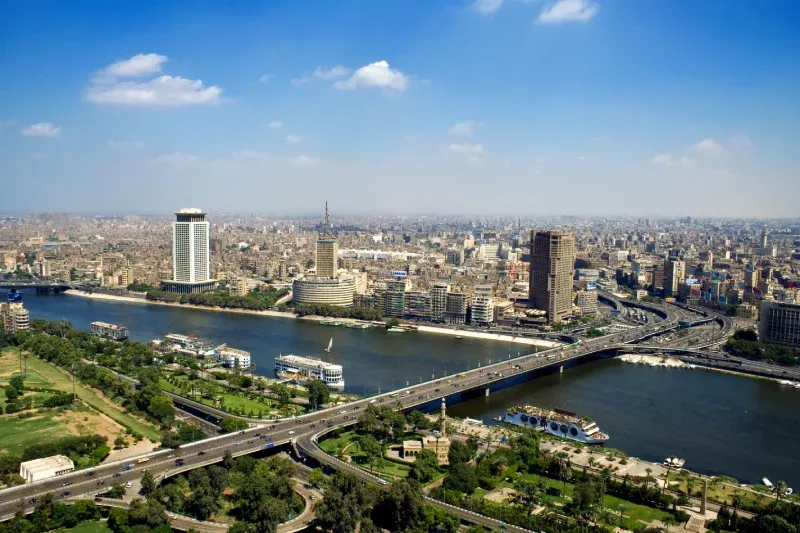
The Nile Valley, Egypt’s lifeline, has a unique microclimate thanks to the river’s moderating influence. Areas like Luxor and Aswan see scorching days but pleasant evenings. The fertile Delta region north of Cairo experiences slightly higher humidity and cooler breezes during winter.
Western and Eastern Deserts
Egypt’s deserts are some of the driest places on earth. The Western Desert, home to stunning landscapes like the White Desert of Egypt and Siwa Oasis, sees extreme temperature swings, from freezing nights to blistering days. The Eastern Desert near the Red Sea is drier but offers breathtaking mountain and dune views.
Coastal Egypt: Mediterranean to Red Sea
Along the Mediterranean Sea, Alexandria enjoys a mild climate with occasional rainfall, ideal for cultural travelers exploring landmarks such as the Library of Alexandria and Citadel of Qaitbay. The Red Sea coast, by contrast, promises warm weather and excellent underwater visibility year-round. It’s perfect for beach lovers and divers seeking coral reefs and marine life.
Factors Influencing Egypt’s Climate
Several natural factors shape Egypt’s climate, including its topography, proximity to the Sahara, and the Nile River’s presence. Winds play a crucial role, especially the "Khamsin," a hot, dry wind that blows from the desert in spring, carrying dust and sand across cities. While it can reduce visibility, it’s a short-lived event that lasts a few days at most.
Egypt’s latitude also contributes to its solar intensity. Located near the Tropic of Cancer, the country receives high solar radiation throughout the year, making it an ideal destination for sunseekers and solar energy initiatives alike.
Best Time to Visit Egypt Based on Climate
For comfort, the best time to visit Egypt is from October to April. During these months, temperatures are mild enough for exploring ancient wonders like the Valley of the Kings, the Temple of Philae, or sailing on the Nile. On the other hand, summer is perfect for travelers seeking quiet getaways or those drawn to Red Sea resorts and desert safaris.
Travelers planning Egypt Vacation Packages can tailor their itineraries to match weather conditions—cultural exploration in winter and beach relaxation in summer. Regardless of the season, Egypt’s climate ensures sunshine nearly every day, creating a golden glow that enhances the beauty of its landscapes and monuments.
Climate Impact on Egyptian Culture and Lifestyle
Egyptians have adapted to their environment for millennia. Ancient civilizations developed irrigation systems to harness the Nile’s seasonal flooding, turning the desert into fertile farmland. Even today, outdoor activities, markets, and festivities often take place during the cooler evening hours. The climate influences everything—from local architecture with high ceilings and courtyards to the timing of traditional celebrations.
Modern Adaptations to Climate Challenges
As global climate change affects weather patterns worldwide, Egypt faces challenges like rising temperatures and water scarcity. The government has launched sustainability projects to manage water resources and protect agricultural production. Initiatives promoting eco-tourism, such as Eco Tours in Egypt, encourage visitors to experience the country’s natural wonders responsibly.
Frequently Asked Questions About Egypt’s Climate
1. What type of climate does Egypt have?
Egypt has a predominantly hot desert climate with dry conditions and minimal rainfall. The northern coast has a Mediterranean influence, while the rest of the country experiences arid weather marked by intense sunshine and warm temperatures year-round.
2. What is the best month to visit Egypt?
The best months to visit Egypt are from November to March. During this time, the weather is comfortably warm, making it perfect for sightseeing, outdoor excursions, and exploring historical monuments without the summer heat.
3. Does it ever rain in Egypt?
Rainfall in Egypt is rare and mainly occurs along the Mediterranean coast during winter. Cities like Alexandria and Port Said may experience light showers, while the rest of the country remains mostly dry throughout the year.
4. How hot does Egypt get in summer?
In summer, temperatures can climb above 40°C (104°F) in southern regions such as Aswan and Luxor. Along the coast and in Cairo, temperatures usually range from 30°C to 35°C (86°F to 95°F). The dry heat is manageable with proper hydration and light clothing.
5. What should travelers pack for Egypt’s climate?
Travelers should pack lightweight, breathable clothing for hot days, a hat and sunglasses for sun protection, and a light jacket for cooler evenings. For more guidance, check What to Pack for Egypt to ensure you’re fully prepared for the Egyptian climate.
Final Thoughts: Embracing Egypt’s Eternal Sunshine
Egypt’s climate, defined by sunshine, dry winds, and desert landscapes, is both a challenge and a blessing. It has shaped the country’s identity, from the ancient farmers who relied on the Nile’s rhythms to modern travelers who flock to its sunlit temples and turquoise beaches. Whether exploring the vibrant streets of Cairo, cruising the Nile, or diving in the Red Sea, visitors experience a climate that enhances the allure of every adventure.
By understanding the nuances of Egypt’s weather patterns, travelers can plan unforgettable journeys tailored to their comfort and curiosity. The climate remains one of Egypt’s greatest treasures—predictable, radiant, and perfect for exploration. So, pack your sunscreen, embrace the desert breeze, and get ready to discover why Egypt’s climate continues to inspire awe across generations.
Explore more: Egypt in Winter