Egypt Travel Safety: A Complete Guide for a Secure and Unforgettable Adventure
Egypt, the cradle of civilization, has long enticed travelers with its majestic pyramids, sacred temples, and unparalleled cultural legacy. Yet, before setting foot in this fascinating land, every traveler rightly wonders about Egypt travel safety. The truth is, Egypt is much safer today than most people think. With increased security measures, dedicated tourism police, and growing international tourism, Egypt continues to welcome millions of visitors annually. Understanding the nuances of travel safety in Egypt—ranging from transportation and local customs to political stability and health precautions—ensures a smooth and rewarding journey.
While sensational headlines sometimes paint a different picture, the reality on the ground is much calmer. Egyptians are known for their warmth and hospitality, and most tourist regions, including Cairo, Luxor, Aswan, and the Red Sea resorts, are heavily monitored for the safety of visitors. Whether exploring the awe-inspiring Great Pyramids of Giza, navigating bustling bazaars, or sailing down the Nile, careful planning and awareness can make your Egypt adventure safe and unforgettable. This guide dives deep into every aspect of Egypt travel safety, helping you travel smart, respect local culture, and enjoy every moment in one of the world’s most historic destinations.
Current Safety Situation in Egypt for Tourists
Egypt’s tourism industry has rebounded strongly in recent years, driven by improved infrastructure, modernized airports, and government initiatives to ensure the safety of travelers. Major tourist centers such as Cairo, Giza, Luxor, and Aswan are under constant surveillance, with visible security presences at airports, museums, and archaeological sites. The Egyptian Tourism and Antiquities Police maintain a steady watch to protect both visitors and heritage. Even in bustling areas like Khan al-Khalili bazaar or along the Nile River promenade, you’ll often notice officers ensuring that tourists can explore comfortably.
Travel advisories from various countries emphasize avoiding remote desert borders and the northern Sinai Peninsula due to occasional unrest. However, these areas rarely overlap with typical tourist routes. Most travelers focus on well-secured destinations like Luxor, home to the Valley of the Kings, or Aswan with its serene Temple of Philae, where incidents are virtually nonexistent.
Transportation Safety in Egypt: From Cairo Streets to the Nile
Getting around Egypt is straightforward but requires common sense. Cairo’s traffic, while chaotic, is manageable with reputable taxi apps such as Uber or Careem. Trains and domestic flights between cities are generally safe and reliable. For many, sailing the Nile remains a highlight of their trip. Opting for a trusted operator such as those offering the Best Nile River Cruises ensures both luxury and security. River cruises maintain rigorous safety standards, and onboard staff receive emergency training. If you prefer a more intimate experience, elegant Dahabiya Cruises offer boutique-style sailing with dedicated guides and crew ensuring your comfort throughout.
Health and Hygiene: Staying Well on Your Egyptian Journey
Egypt’s arid climate can be intense, so hydration is key. Always drink bottled water and avoid street food unless it’s freshly cooked. Many hotels and tour companies provide sanitized transport and quality dining options. Pharmacies are plentiful, carrying familiar international brands, and medical care in Cairo and major cities is of good standard. Travel insurance that includes medical coverage is essential. Before you go, check for recommended vaccinations and pack a personal health kit. For a stress-free experience, some visitors prefer booking Luxury Egypt Tours, which often include private transfers, professional guides, and top-tier accommodations—reducing exposure to any potential inconveniences.
Social Etiquette and Cultural Sensitivity
Respecting local customs plays a major role in maintaining safety and harmony during your trip. Egyptians are welcoming, but modest dressing is appreciated, especially in rural areas and religious sites. Women travelers should wear loose clothing covering shoulders and knees. In mosques and churches, remove shoes and follow the lead of locals. Avoid public displays of affection or heated political discussions. Learning a few Arabic greetings goes a long way in earning respect and friendliness. When shopping in markets, bargaining is expected but should always remain polite and good-natured.
Solo and Female Travel Safety in Egypt
Solo travelers, particularly women, can explore Egypt safely with preparation and awareness. Many women report positive experiences, especially when using reputable guides and tours like Egypt Private Tours. While street harassment exists as in many countries, a confident demeanor, conservative attire, and avoiding isolated areas at night greatly reduce risks. Hotels and tour operators also provide female guides upon request. Traveling in groups or joining organized day trips such as Cairo Day Tours adds another layer of security while enriching cultural understanding.
Communication and Emergency Preparedness
Egypt’s tourism infrastructure includes English-speaking professionals almost everywhere—hotels, museums, transportation hubs, and police stations. Keep a list of emergency contacts, including your embassy and local police. In Cairo, dialing 122 connects you to the tourist police. Most hotels assist guests with emergencies, and mobile connectivity is strong across cities and even desert areas. Download offline maps and maintain copies of your travel documents. A local SIM card with mobile data helps you navigate smoothly and stay connected throughout your trip.
Regional Travel Safety: From Bustling Cairo to Tranquil Aswan
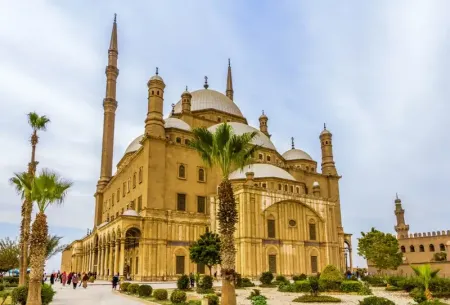
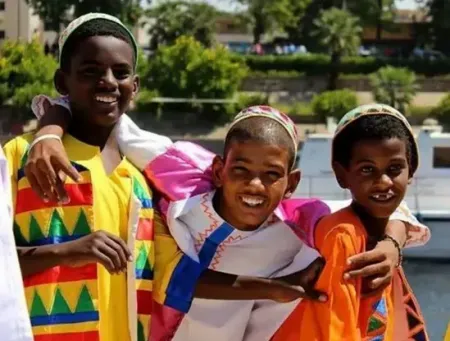
Cairo, the capital, is a lively metropolis where millions coexist amid history and modernity. Visitors exploring The Egyptian Museum of Cairo or strolling through El Moez Street rarely experience safety issues when staying aware of surroundings. In Luxor, the open-air museum city, tourists explore ancient tombs and the grand Karnak Temple under the watchful eye of ever-present security personnel. Down south in Aswan, serenity reigns. The city’s Nubian villages and scenic Nile views create an atmosphere of peace, attracting travelers seeking relaxation and authentic culture.
Red Sea Resorts: Safe Havens for Beach Lovers
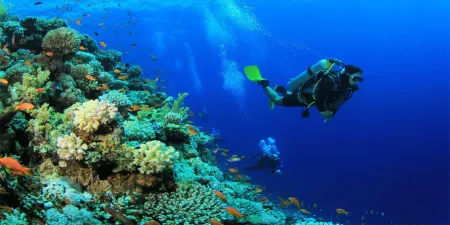
Egypt’s Red Sea coastlines, including Hurghada and Dahab, are globally acclaimed for their diving and family-friendly resorts. These regions maintain exceptional safety standards. Security checkpoints are established along access roads, and resorts operate under strict protocols. Whether snorkeling at Ras Mohammed National Park or kite-surfing in Dahab, tourists enjoy carefree adventures in secure environments. Red Sea towns rely heavily on tourism, making safety a top government and community priority.
Desert Travel: Exploring Egypt’s Remote Beauty Safely
Egypt’s deserts are among the most captivating on Earth. The White Desert, Siwa Oasis, and Bahariya are safe for travel with licensed guides. Never venture into desert regions alone; always book official tours that coordinate with local authorities. Desert trips typically include satellite phones, GPS navigation, and secure convoy systems. Evening camps provide comfort, and the starry skies above the Sahara remain one of Egypt’s most enchanting and secure experiences when done responsibly.
Practical Egypt Safety Tips Every Traveler Should Know
1. Register your travel plans with your embassy.
2. Keep valuables in hotel safes.
3. Use ATMs in secure, well-lit areas.
4. Carry small bills for tips and local purchases.
5. Avoid discussing politics or religion in public.
6. Follow local advice during large gatherings or religious festivals.
7. Book tours through reputable agencies or your hotel.
8. Always confirm taxi fares or use ride-hailing apps.
Tourists who practice these basic safety habits rarely face trouble. Egypt rewards cautious yet curious travelers with extraordinary experiences—whether gazing at the sunset over the pyramids or drifting peacefully on the Nile. For seamless planning, consider exploring curated Egypt Vacation Packages that combine comfort, safety, and local expertise.
Final Thoughts: Enjoy Egypt with Confidence
Egypt travel safety isn’t about fear—it’s about awareness. The country’s deep-rooted hospitality, combined with tightened security and professional tourism services, makes it a rewarding and secure destination. Whether venturing through ancient tombs, savoring Egyptian cuisine, or enjoying a scenic cruise, you’ll find that Egypt’s magic lies not just in its monuments but in its people’s genuine warmth. By staying informed, respecting the culture, and choosing reliable partners, you can explore Egypt safely and return home with memories that last a lifetime.
Frequently Asked Questions about Egypt Travel Safety
Is Egypt safe for tourists right now?
Yes, Egypt is safe for tourists in 2024. Most popular destinations such as Cairo, Luxor, Aswan, and the Red Sea resorts are well-secured. Avoid the northern Sinai region and remote border zones. Tourists who follow local guidance and travel with reputable operators face minimal risks.
Can solo travelers visit Egypt safely?
Absolutely. Solo travelers, including women, can visit Egypt safely by exercising common precautions—booking trusted tours, dressing modestly, and staying in reputable accommodations. Joining guided experiences like Egypt Family Tours or group excursions enhances both security and enjoyment.
Is it safe to take a Nile cruise?
Yes. Nile cruises are among the safest and most enjoyable ways to explore Egypt. Companies offering the Luxury Nile Cruises maintain strict safety protocols, providing modern facilities, trained staff, and guided excursions to landmarks along the river.
How should I handle money safely in Egypt?
Use ATMs in secure bank locations, avoid flashing large sums, and keep cash in multiple places. Credit cards are accepted in hotels and upscale restaurants, but small vendors prefer cash. Always be mindful when exchanging money and confirm rates in advance.
What health precautions should I take when traveling to Egypt?
Drink bottled water, wash hands frequently, and eat freshly prepared food. Carry sunscreen, mosquito repellent, and essential medications. Comprehensive travel insurance is strongly recommended to cover any medical emergencies during your trip.