Ancient Egyptian Art Animals: The Sacred Connection Between Nature and Divinity
Ancient Egyptian art animals embodied a spiritual language that bridged the human and divine realms. Each creature, real or mythical, carried layers of symbolic meaning that shaped beliefs, rituals, and royal identity. From the majestic falcon of Horus to the humble scarab of Khepri, animals in Egyptian art weren’t mere decorations—they were living expressions of cosmic order, rebirth, and protection. The Egyptians, deeply attuned to their environment, saw divinity in every living form. By observing the habits of crocodiles, cats, and ibises, they interpreted the universe’s hidden messages and translated them into an awe-inspiring artistic legacy that continues to captivate modern audiences. These creatures filled temples, tombs, and monuments, speaking through hieroglyphs and sculptures that still shimmer under the desert sun. The mastery of ancient Egyptian artisans elevated animals into spiritual symbols that guided the living and safeguarded the dead in the afterlife. Today, exploring ancient Egyptian art animals unveils a timeless story about humanity’s reverence for nature’s power.
For travelers seeking to witness the grandeur of these depictions firsthand, visiting tombs and temples along the Nile offers an unforgettable journey. You can combine artistic discovery with culture-rich experiences through Luxury Egypt Tours or set sail on the timeless waters of the Nile with Best Nile River Cruises, where the same landscapes that inspired ancient artists unfold before your eyes.
The Divine Role of Animals in Ancient Egyptian Art
In ancient Egyptian art, animals weren’t just symbolic—they were divine intermediaries. Every species represented a cosmic force. The falcon embodied the sky god Horus, symbolizing protection and kingship. The jackal, associated with Anubis, guarded tombs and guided souls to the afterlife. The cow represented Hathor, a goddess of motherhood and music, and the scarab beetle symbolized transformation and rebirth. The Egyptians believed that by depicting these animals, they invoked divine energy into their world. Temples, such as the majestic Temple of Horus at Edfu, showcased the falcon in full regal splendor. The precision and care seen in animal representations reflected a sacred duty rather than artistic flair. Artists followed strict conventions to honor the gods’ forms accurately, ensuring that each animal rendered in stone or paint could serve as a vessel for divine power. This interplay between fauna and faith defined the spiritual aesthetic of Egyptian civilization.
The Symbolism Behind Each Sacred Animal
Each animal in Egyptian art held a story tied to the rhythm of life and death. The lion represented ferocity and protection, linked to the goddess Sekhmet, whose fiery nature could destroy or heal. The ibis symbolized Thoth, god of wisdom and writing, while the crocodile embodied Sobek, master of the Nile’s fertility and ferocity. The cat, revered for its grace and hunting prowess, became sacred to the goddess Bastet. Even lesser-known creatures—like the baboon—were associated with Thoth’s lunar aspect and celestial balance. These associations carved deep meaning into every mural and sculpture. Understanding these symbols opens a window into how the Egyptians merged natural observation with spiritual cosmology. Their art animals weren’t random choices but deliberate representations reflecting divine order and mortal dependence on nature’s cycles.
Falcons and the Celestial Kingship of Horus
The falcon, soaring with keen eyesight, became the quintessential emblem of kingship. As Horus, he was the protector of pharaohs, whose eyes represented the sun and moon. Artistic depictions of Horus often show him perched above the pharaoh’s crown, symbolizing divine authority descending from the heavens. His wings stretched across temple walls like celestial guardians. Artists depicted falcons with meticulous detail, capturing every feather and curve, as if invoking the sky’s living essence. The Horus falcon also adorned amulets, worn for protection and victory in battle. These motifs echoed through the ages, influencing even modern Egyptian symbolism.
The Mysterious Cats of Bastet
Cats, sleek and enigmatic, played a multifaceted role in Egyptian life and art. As sacred animals of Bastet, they symbolized grace, fertility, and domestic harmony. In temples dedicated to Bastet, such as Bubastis, cat statues and mummies filled sacred chambers. Artists often portrayed Bastet with a lioness or cat’s head, merging ferocity and tenderness. In art, cats lounging beneath chairs or guarding tombs represented divine guardianship. Their presence protected households and sacred spaces from evil spirits. The feline’s duality—nurturer and warrior—mirrored the goddess herself. This reverence for cats spread across classes; even peasants kept them as symbols of luck and divine favor. Bastet’s imagery remains one of the most recognized symbols in Egyptian mythology and art.
Scarab Beetles: Eternal Symbols of Transformation
The scarab beetle, a humble insect rolling dung across the desert, became a profound emblem of rebirth. Egyptians associated it with Khepri, the morning aspect of the sun god Ra, who pushed the solar disk across the sky much like the beetle rolled its sphere. Scarabs adorned jewelry, tombs, and seals, representing the soul’s eternal journey. Pharaohs placed scarab amulets over their hearts in burial, ensuring resurrection in the afterlife. The artistry behind these scarabs—often carved from lapis lazuli, turquoise, and faience—revealed the Egyptians’ devotion to life’s cyclical nature. They saw beauty and meaning even in the smallest creatures, elevating natural processes into divine principles.
Artistic Techniques Depicting Animals in Ancient Egypt
Egyptian artisans approached animal representation with precision and reverence. Every line and proportion followed sacred geometry to maintain harmony with Ma’at, the principle of cosmic balance. Artists used profile views for clarity, ensuring each animal remained instantly recognizable. Colors carried symbolic weight: green for fertility, gold for divinity, and blue for celestial realms. Sculptors captured vitality in stone, while painters used natural pigments derived from ochre, malachite, and lapis. Temples like Karnak Temple and tombs in the Valley of the Kings display remarkable depictions of bulls, falcons, and crocodiles that seem ready to spring to life. The balance between realism and symbolism defined Egyptian aesthetics, allowing animals to transcend the physical and embody the eternal. This artistic consistency persisted for over three millennia, preserving visual continuity unmatched in human history.
Hieroglyphic Representations of Animals
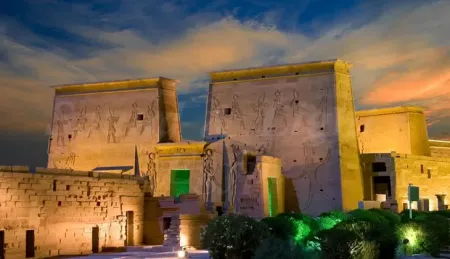
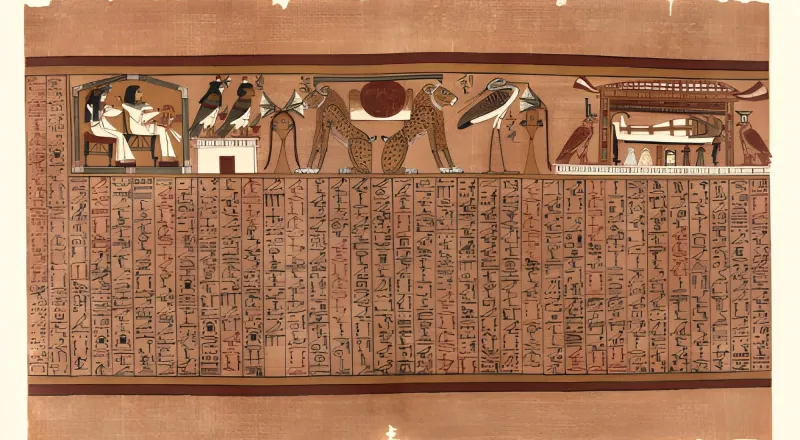
Animals weren’t confined to sculptures or paintings—they dominated hieroglyphic writing as well. Hieroglyphs used animal imagery to express sounds, ideas, and divine concepts. The owl represented the letter ‘M,’ while the cobra symbolized royalty and protection. The bee denoted kingship, linking the pharaoh to divine authority over both Upper and Lower Egypt. Through these symbols, Egyptians infused language with life. Each inscription became a hybrid of art and communication. Inscriptions along temple walls, such as those in the Temple of Philae, reveal animals etched with stunning precision, merging linguistic function with visual majesty.
Animals in Egyptian Mythology and Rituals
Animals in ancient Egyptian mythology weren’t passive icons—they played active roles in creation stories and daily rituals. The Bennu bird, a prototype for the phoenix, symbolized resurrection. Crocodiles embodied the unpredictable might of the Nile, while serpents like Apophis represented chaos opposing cosmic order. Rituals often invoked these beings for protection, prosperity, or purification. During festivals, priests wore masks of sacred animals to channel divine energies. The fusion of human and animal forms in deities like Anubis or Thoth reflected a deep understanding of the natural world’s duality. For the Egyptians, these depictions weren’t fantasy—they were spiritual truths manifested in artistic form. Their art preserved the eternal dialogue between gods, humans, and the natural realm.
Modern visitors can still witness these sacred carvings on temple walls during Egypt Vacation Packages or serene explorations through Lake Nasser Cruises, where ancient sanctuaries rise dramatically from the desert sands.
Animal Mummification: Rituals of Eternal Life
Egyptians didn’t just represent animals in art—they preserved them in reality. Animal mummification honored sacred creatures or served as offerings to deities. Cats, ibises, crocodiles, and bulls were among the most commonly mummified species. Excavations reveal entire necropolises dedicated to animal burials, such as those near Saqqara. The mummification process followed intricate rituals to ensure the animal’s soul joined its divine counterpart in eternity. These practices reinforce how central animals were to Egyptian spirituality. The belief that animals carried divine essence led to their careful preservation, a testimony to the civilization’s boundless reverence for life.
Legacy of Ancient Egyptian Art Animals in Modern Culture
The influence of ancient Egyptian art animals extends well beyond antiquity. From museum exhibits to fashion and film, their motifs inspire awe. The regal falcon, the serene cat, and the mysterious jackal remain global icons. Artists and historians study their proportions and symbolism to decode ancient philosophies. Even architecture borrows from Egyptian animal motifs—sphinxes guard entrances, while scarabs adorn jewelry as symbols of rebirth. Tourists exploring the Great Sphinx of Giza feel the timeless power of animal symbolism carved in limestone. These depictions continue to remind humanity of nature’s sacred bond with creation, bridging ancient beliefs with contemporary fascination.
Explorers curious about Egypt’s living legacy can enrich their understanding by visiting historical marvels on guided Luxor Tours or exploring art-rich destinations through Dahabiya Cruises, where each temple mural tells an untold story of divine life.
Frequently Asked Questions About Ancient Egyptian Art Animals
Why were animals so important in ancient Egyptian art?
Animals represented divine powers, virtues, and cosmic principles. Egyptians observed their behavior and linked each species to specific gods. Through art, they expressed these sacred relationships, ensuring harmony between man, nature, and the divine.
Which animal was most commonly depicted in Egyptian art?
The falcon was among the most frequent, symbolizing Horus, protector of the pharaohs. Cats, scarabs, and jackals were also prevalent, each linked to deities like Bastet, Khepri, and Anubis respectively. These animals embodied strength, protection, and renewal.
Where can visitors see ancient Egyptian animal art today?
Travelers can admire exquisite examples in temples, tombs, and museums across Egypt, including the Egyptian Museum of Cairo and the Luxor Museum. Many artifacts also feature in international exhibits dedicated to Egyptian civilization.
Did Egyptians worship animals directly?
They didn’t worship animals in a literal sense. Instead, animals were seen as manifestations or symbols of divine forces. By honoring them, Egyptians paid tribute to the gods they represented, maintaining spiritual balance and cosmic order.
How did animal symbolism influence Egyptian architecture?
Animal imagery integrated seamlessly into architecture—columns shaped like papyrus and lotus, capitals featuring vultures, and grand sculptures like the Sphinx. These designs merged functionality with symbolism, transforming sacred spaces into living embodiments of mythology.