
Meidum Pyramid: The Mysterious Transition between Step and True Pyramids
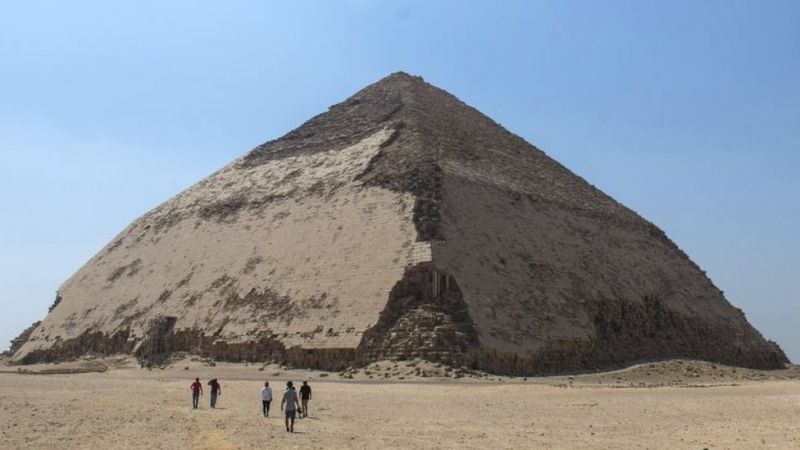
Meidum Pyramid: The Mysterious Transition between Step and True Pyramids
The Meidum Pyramid, often called the 'Collapsed Pyramid' or the 'False Pyramid,' stands as one of Egypt's most intriguing monuments—a bridge between the earlier step structures and the perfected smooth-sided pyramids of Giza. Located near the Fayoum Oasis, about 100 kilometers south of Cairo, this enigmatic pyramid whispers tales from the dawn of Egypt’s Old Kingdom. Believed to have been commissioned by Pharaoh Sneferu, founder of the Fourth Dynasty, the Meidum Pyramid marks a pivotal moment in ancient Egyptian architecture. Its story reflects ambition, experimentation, and the relentless pursuit of eternal perfection—a theme that dominated Egypt’s monumental legacy.
Unlike the iconic Great Pyramids of Giza, which gleam under the desert sun as models of stability, Meidum stands partially ruined, its inner core exposed like an architectural autopsy. Yet, this ruin is far from a failure—it’s a prototype, a masterpiece in progress that laid the groundwork for the world’s most famous wonders. When travelers venture to Meidum, they discover not only the remains of a colossal structure but also the spirit of human innovation that made Egypt’s civilization immortal. In this article, we’ll explore the history, design, purpose, and enduring mysteries behind the Meidum Pyramid—unraveling why it remains a cornerstone of Egypt’s pyramid evolution.
The Historical Significance of the Meidum Pyramid
The Meidum Pyramid was initially attributed to Pharaoh Huni, the last ruler of Egypt’s Third Dynasty, but it was Sneferu who transformed the project into a grand architectural experiment. Around 2600 BCE, Sneferu’s architects dared to transition from the old step-pyramid form—seen at Saqqara Necropolis—toward the smooth-sided geometrical perfection that would later define ancient Egypt’s greatest achievements. Sneferu’s innovations at Meidum would later culminate in the Bent Pyramid and the Red Pyramid at Dahshur, both refining the lessons learned here.
The Meidum Pyramid thus stands as an architectural manifesto. It’s a physical record of transition—one that embodies the shift from the early experimentation of Imhotep’s step design to the engineering precision of later pyramids. Scholars trace the building’s phases through layers: a step pyramid foundation enveloped by smooth limestone casing. The collapse of the outer shell, whether by erosion, construction flaws, or ancient dismantling, left the structure as it appears today—an exposed core that reveals Egypt’s architectural learning curve in stunning detail.
Architectural Design and Engineering Innovations
The pyramid originally rose in several distinct stages. Archaeologists suggest it began as a seven-tiered step pyramid, later expanded to eight, before being enclosed within a smooth outer casing. Standing once at nearly 93 meters, Meidum would have dominated the surrounding landscape. The builders employed massive limestone blocks, stacked with remarkable precision, though the outer layers may have lacked adequate support. This construction flaw is one theory explaining its partial collapse.
What makes the Meidum Pyramid particularly fascinating is the innovative use of the ‘true pyramid’ design concept. For the first time, Egyptian engineers experimented with filling the steps to create a continuous slope—a technique that would define later pyramids. It was here that ancient builders tested the art of distributing weight, perfecting internal chambers, and aligning the structure with celestial bodies. Meidum’s corridors and burial chamber reflect this experimentation, showing early attempts to balance aesthetic perfection with structural soundness.
The Pyramid Complex: Temples and Causeways
Like other royal complexes, Meidum wasn’t just a solitary pyramid rising from the sand. It was the heart of a well-planned funerary complex, featuring a mortuary temple, a causeway, and subsidiary tombs. The mortuary temple, though now heavily ruined, once housed offerings and rituals dedicated to the deceased pharaoh. Excavations reveal well-cut limestone walls and remnants of offering tables. The causeway likely connected the pyramid to a valley temple, aligning with religious beliefs linking death, rebirth, and the sun’s cycle.
Nearby, mastabas—rectangular flat-roofed tombs—belonging to nobles and high-ranking officials indicate Meidum’s importance as a royal necropolis. These structures provide valuable insights into the social hierarchy and funerary art of the Old Kingdom. Notably, the vibrant wall paintings discovered in some of these mastabas are among the earliest examples of Egyptian artistry, depicting daily life, farming, and animal husbandry, capturing the vitality of early dynastic Egypt.
The Mystery of the Collapse: Natural Decay or Human Intervention?
One of the Pyramid’s most debated mysteries revolves around its partial destruction. Theories abound—some blame ancient builders’ miscalculations; others suggest the collapse occurred centuries after construction, due to weakened foundations or quarrying activities. The pyramid’s casing stones may have been stripped for reuse during the New Kingdom or Roman era, leaving the inner core exposed. Despite these losses, the remaining structure still rises impressively from the desert plateau, a haunting monument to both ambition and impermanence.
Archaeologists continue to study fracture patterns and debris distribution to uncover the truth. Whether the collapse was sudden or gradual, it undeniably influenced Sneferu’s later projects. Lessons from Meidum led directly to the Bent Pyramid’s dual-angle design—a cautious approach that eventually birthed the Red Pyramid’s flawless form. Thus, Meidum’s supposed failure was, in fact, a necessary step in perfecting Egypt’s architectural genius.
Religious Symbolism and Celestial Alignment
The Meidum Pyramid wasn’t merely a tomb; it was a cosmic instrument, symbolizing the pharaoh’s ascent to the heavens. Ancient priests aligned pyramids with the stars, ensuring the king’s spirit would merge with the celestial gods. The pyramid’s orientation to the cardinal points and its internal shafts reflect advanced astronomical knowledge. The structure’s smooth faces, once gleaming in white limestone, would have mirrored the sun’s brilliance—a literal stairway to eternity.
This celestial symbolism underscores ancient Egypt’s deep connection between architecture, religion, and the afterlife. The Meidum Pyramid’s smooth transformation from steps to a seamless slope represents more than a structural evolution—it embodies a spiritual journey from Earth to eternity, from mortal struggle to divine perfection.
Meidum Pyramid in the Context of Egypt’s Pyramid Evolution
Without the Meidum Pyramid, the evolution of Egypt’s pyramids would lack a crucial chapter. Sneferu’s innovations here directly inspired the precision of later monuments. Visitors who explore the Meidum site today can trace this lineage, witnessing firsthand the birthplace of the engineering mastery that would define Egypt’s golden age of pyramid building. For enthusiasts planning a trip, combining a visit to Meidum with Cairo Day Tours or excursions to Dahshur offers a breathtaking look into the genesis of ancient engineering brilliance.
What makes Meidum particularly rewarding is its solitude. Unlike the crowded Giza Plateau, the site remains serene, offering a more intimate encounter with Egypt’s timeless desert landscape. One can almost hear the whispers of laborers, architects, and priests echoing across the centuries. For those interested in deeper exploration, combining Meidum with nearby Fayoum Attractions unveils a lesser-known side of Egyptian history—one rich in ancient charm and natural beauty.
Modern Exploration and Archaeological Discoveries
Archaeological investigations at Meidum began in the 19th century and continue to reveal fascinating insights. Pioneering Egyptologists like Flinders Petrie documented the site meticulously, mapping its unique construction phases. In recent decades, modern technology such as 3D scanning, ground-penetrating radar, and photogrammetry has shed new light on the pyramid’s internal structure and surrounding complex.
These studies have confirmed that the burial chamber remains intact, deep within the pyramid’s heart. Its corbelled ceiling represents an early experiment in stress distribution—a solution perfected in later pyramids. The discovery of ancient tools, inscriptions, and workers’ graffiti further enrich our understanding of the labor, logistics, and devotion that fueled Egypt’s monumental projects. Today, ongoing excavations aim to uncover more about the workers’ village and the logistics network that sustained pyramid construction.
Visiting the Meidum Pyramid Today
Travelers can reach Meidum via a scenic drive from Cairo, passing through small villages and fertile farmlands along the Nile. The site’s tranquility offers a stark contrast to the bustling capital. For those booking Luxury Egypt Tours or private expeditions, a stop at Meidum provides an off-the-beaten-path experience steeped in authenticity and wonder. Standing before this ancient ruin, visitors can climb the remaining core and gaze upon the endless desert horizon—a panorama nearly unchanged since Sneferu’s time.
Nearby, travelers can explore ancient mastabas adorned with colorful reliefs depicting scenes of daily life. These artworks breathe life into the Old Kingdom, showing farmers harvesting grain, herders tending cattle, and craftsmen at work. The vivid pigments, preserved by the dry climate, offer a rare window into early Egyptian artistry. Pairing a visit to Meidum with the Wadi El Rayan waterfalls or Wadi Al-Hitan fossil valley creates an unforgettable cultural and natural itinerary.
The Cultural Legacy of the Meidum Pyramid
Beyond its physical structure, the Meidum Pyramid’s legacy resonates through Egypt’s cultural memory. It represents the pharaoh’s divine ambition—the eternal drive to reach the heavens. The pyramid’s artistic and architectural experimentation reflects Egypt’s belief in progress, even amidst failure. Modern Egyptian identity continues to draw pride from these early achievements, seeing in Meidum the foundation of national genius and resilience.
For historians, Meidum stands as a testament to humanity’s unyielding pursuit of perfection. For travelers, it’s a symbol of timeless allure, beckoning explorers to step off the well-trodden path and rediscover the roots of civilization. Whether viewed at sunrise, when the sands turn gold, or under the moon’s silver glow, the Meidum Pyramid reminds us that even ruins can whisper greatness.
Frequently Asked Questions about the Meidum Pyramid
What is the Meidum Pyramid famous for?
The Meidum Pyramid is renowned for being the transitional structure between Egypt’s step pyramids and true smooth-sided pyramids. It marks a revolutionary phase in architectural evolution under Pharaoh Sneferu. Its partially collapsed form has made it an enduring mystery, symbolizing experimentation and innovation in ancient Egyptian engineering.
Who built the Meidum Pyramid?
Most scholars attribute the pyramid’s construction to Pharaoh Sneferu, founder of the Fourth Dynasty, although it may have begun under his predecessor Huni. Sneferu’s modifications transformed it from a step pyramid into a smooth-sided one, making it the first true pyramid attempt in Egyptian history.
Why did the Meidum Pyramid collapse?
The collapse likely resulted from structural miscalculations during its transformation. The outer casing didn’t bond securely with the inner core, causing eventual failure. Weathering, erosion, or stone removal by later civilizations may also have contributed to its current state. Despite its ruin, Meidum influenced later flawless designs like Sneferu’s Red Pyramid.
Can visitors enter the Meidum Pyramid?
Yes, visitors can access parts of the pyramid and its surrounding archaeological area. The interior corridors descend into a burial chamber, offering a thrilling glimpse into early Old Kingdom design. The site’s relative isolation also allows travelers to explore in peace, away from large tourist crowds.
How does the Meidum Pyramid compare to the Great Pyramids of Giza?
While smaller and partially collapsed, the Meidum Pyramid paved the way for the perfection achieved at Giza. It represents a crucial evolutionary step in pyramid construction techniques. Visiting both sites reveals the remarkable progression from experimentation to mastery within a single generation of ancient architects.
"

Dahshour: Exploring Egypt’s Hidden Gem of Ancient Pyramids and Timeless Mysteries
Discover Dahshour, home to Egypt’s Bent and Red Pyramids. Learn its history, how to visit, and why Dahshur is a must-see ancient site near Cairo.
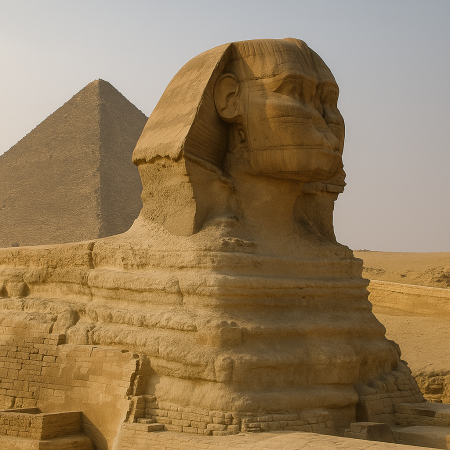
The Great Sphinx of Giza: Guardian of Egypt’s Ancient Mysteries
Explore the Great Sphinx of Giza, Egypt’s timeless guardian. Discover its history, symbolism, construction, mysteries, and travel tips for visiting this ancient wonder of the world.
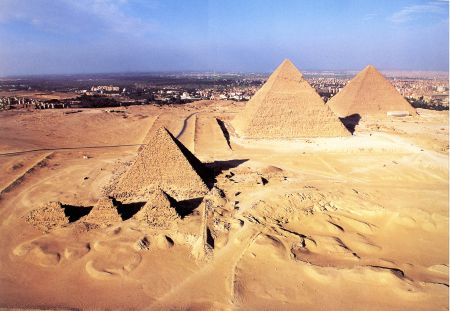
Giza City – Where Egypt’s Ancient Glory Meets Urban Pulse
Giza City is more than just a home to the pyramids; it’s a living chronicle of Egypt’s journey from ancient glory to modern resilience.
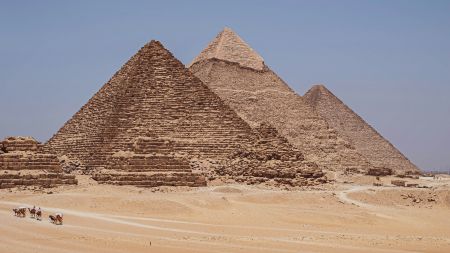
the Mysteries of the Great Pyramids of Giza : A Timeless Marvel of Ancient Egypt
The Great Pyramids of Giza are more than stone structures — they’re timeless beacons of civilization, spirituality, and ingenuity.
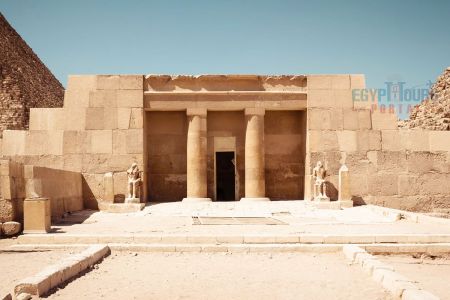
The Secrets of The Valley Temple in Giza
The Valley Temple of Khafre isn’t just an architectural marvel—it’s a testament to the ancient Egyptians’ spiritual depth, technical brilliance, and unrelenting pursuit of eternity.
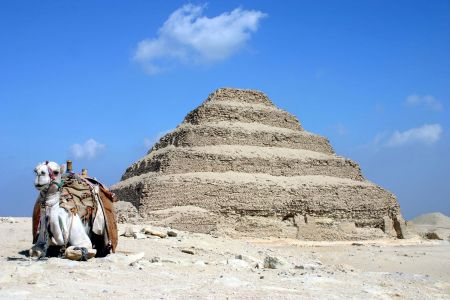
Sakkara Necropolis : The Eternal Gateway
Sakkara Necropolis isn’t just a destination—it’s a portal into the very soul of ancient Egypt.
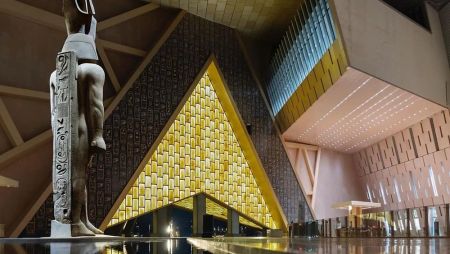
The Grand Egyptian Museum
The Grand Egyptian Museum stands as a triumph of vision, architecture, and cultural preservation. By blending ancient majesty with modern innovation, GEM redefines what a museum can be.
Our Partners
Our Awesome Partners