
Dahshour: Exploring Egypt’s Hidden Gem of Ancient Pyramids and Timeless Mysteries

Nestled on the west bank of the Nile River, about 40 kilometers south of Cairo, Dahshour remains one of Egypt’s most fascinating archaeological treasures. Often overshadowed by the grandeur of Giza, this ancient necropolis is a place where quiet sands whisper stories of innovation, ambition, and divine legacy. Dahshour is home to some of Egypt’s earliest attempts at pyramid construction, marking the evolution of architectural genius that would later culminate in the iconic Pyramids of Giza. For travelers seeking an authentic, less-crowded glimpse into Egypt’s pharaonic past, Dahshour offers an unforgettable journey through the heart of history. The serene landscape, combined with the monumental pyramids of Pharaoh Sneferu, creates an evocative setting where time seems to stand still. It’s here that visitors can witness the real experimentation behind ancient Egyptian engineering, marvel at the precision of ancient builders, and connect deeply with a civilization that shaped the course of human culture.
Unlike the bustling crowds that fill Giza, Dahshour offers serenity and intimacy. The site’s two most famous structures—the Bent Pyramid and the Red Pyramid—stand as silent witnesses to Egypt’s Golden Age of architectural innovation. Each monument embodies a story of trial, triumph, and transformation. Visitors walking through Dahshour’s sands can almost feel the pulse of ancient workers who carved stone under the blazing desert sun thousands of years ago. Whether you’re an archaeology enthusiast, a history lover, or a seeker of Egypt’s hidden gems, Dahshour promises a mesmerizing blend of mystery, beauty, and cultural depth.
The Historical Significance of Dahshour in Ancient Egypt
Dahshour is more than an archaeological site; it’s a living chapter in Egypt’s architectural evolution. During the Old Kingdom, particularly under Pharaoh Sneferu of the Fourth Dynasty, Dahshour became the experimental ground for pyramid design. The transition from step pyramids, like those found in Sakkara Necropolis, to smooth-sided pyramids began here. Sneferu’s architects aimed to perfect the geometry and stability of these massive structures, and their efforts at Dahshour laid the foundation for the later perfection of Giza’s Great Pyramids.
The site’s importance extends beyond architecture—it was also a burial ground for royalty and high officials. Dahshour’s necropolis reveals intricate tombs, funerary temples, and burial shafts that shed light on ancient Egyptian beliefs about death and the afterlife. Archaeologists have uncovered treasures, pottery, and wooden coffins that reveal the lifestyle, art, and spiritual practices of early dynastic Egypt.
The Bent Pyramid: Egypt’s First True Architectural Experiment
The Bent Pyramid is one of Dahshour’s most fascinating landmarks. Built around 2600 BCE, it represents a pivotal moment in pyramid construction. The pyramid’s unique shape—with its lower slope rising at 54 degrees before sharply changing to 43 degrees near the top—was likely the result of structural challenges faced by Sneferu’s builders. Despite its imperfection, this pyramid marked the transition from step pyramids to smooth-sided ones, showcasing early Egyptian ingenuity.
Visitors who stand before the Bent Pyramid are often struck by its graceful angles and reddish limestone casing, still visible in places after more than four millennia. Climbing inside offers a thrilling glimpse into narrow passageways and corbelled chambers where ancient rituals once occurred. For those planning Cairo Day Tours, Dahshour’s Bent Pyramid is a must-see for understanding the learning curve that shaped Egypt’s pyramid-building legacy.
The Red Pyramid: Sneferu’s Masterpiece of Perfection
After the Bent Pyramid’s design flaws, Pharaoh Sneferu commissioned another pyramid at Dahshour—the Red Pyramid, also known as the North Pyramid. This stunning structure, standing at 104 meters, owes its name to the reddish hue of its limestone blocks. It’s considered Egypt’s first successful smooth-sided pyramid and the direct precursor to the Great Pyramid of Giza. The Red Pyramid’s internal chambers, built with precision and elegance, reflect Sneferu’s mastery in merging geometry and divine symbolism.
Today, the Red Pyramid invites visitors to step inside its ancient heart through a steep passageway leading to awe-inspiring burial chambers. The air is thick with the scent of antiquity, and the stillness inside evokes a deep sense of reverence. Many travelers include Dahshour in their Luxury Egypt Tours to experience the unspoiled grandeur of ancient engineering. For those chasing authenticity, the Red Pyramid delivers an unrivaled sense of discovery.
The Black Pyramid and Middle Kingdom Tombs
While Sneferu’s monuments dominate Dahshour’s landscape, the site’s history continued through later dynasties. The Black Pyramid of Amenemhat III, built during the Middle Kingdom around 1850 BCE, once stood as a symbol of royal innovation. Constructed from mudbrick rather than stone, it now lies in ruins, but its remains tell of changing architectural techniques and the challenges of time. Excavations also revealed several royal tombs, including the pyramid complexes of Sesostris III and other nobles, offering rich insights into Egypt’s evolving funerary architecture.
These later pyramids demonstrate how Dahshour remained sacred across centuries. Archaeologists have found jewelry, weapons, and stelae inscribed with hieroglyphs—each artifact adding another piece to Egypt’s vast historical puzzle. Visitors exploring these ruins often find themselves transported back to a world of kings, gods, and eternal life. To dive deeper into the timeline of Egypt’s royal architecture, many combine Dahshour with visits to the The Grand Egyptian Museum, where artifacts from Dahshour are on display.
Dahshour’s Role in Egypt’s Cultural and Spiritual Landscape
Dahshour wasn’t merely an architectural testing ground—it played a vital role in Egypt’s spiritual geography. Ancient Egyptians viewed the west bank of the Nile as the land of the dead, where the sun “died” each evening before being reborn. Dahshour’s pyramids reflected this cosmic cycle, symbolizing resurrection and eternal harmony. The alignment of its structures with celestial bodies reveals Egypt’s profound understanding of astronomy and its fusion of science with religion.
Modern visitors can still sense the sacredness of this desert plain. As the sun sets behind the pyramids, casting long shadows across the sand, Dahshour transforms into a mystical realm of light and silence. For travelers interested in exploring Egypt’s spiritual depth, this necropolis embodies the essence of the ancient Egyptian worldview. Many travelers continue their journey from Dahshour to the nearby The Great Pyramids of Giza, tracing the spiritual and architectural journey of the pharaohs.
Visiting Dahshour: Practical Tips for Modern Explorers
Reaching Dahshour is straightforward—situated just a short drive south of Cairo, it’s easily accessible via organized tours or private transport. The site is less commercialized than Giza, allowing for personalized exploration. It’s advisable to visit early morning or late afternoon for cooler temperatures and stunning desert light. Comfortable walking shoes, water, and sun protection are essential for anyone exploring this open-air museum.
For an immersive experience, consider including Dahshour as part of Egypt Private Tours. Such tours often combine Dahshour with Memphis and Saqqara, offering a comprehensive view of Egypt’s early dynastic history. Travelers seeking relaxation after historic exploration can unwind with a scenic cruise such as the Luxury Nile Cruises or even a boutique sailing adventure aboard a Dahabiya Cruises, blending history with comfort.
Why Dahshour Should Be on Every Egypt Itinerary
While Giza’s fame is undeniable, Dahshour offers what Giza often cannot—peace, authenticity, and intimacy with Egypt’s ancient soul. It’s one of Egypt’s best-kept secrets where travelers can stand in solitude before massive monuments, unhurried and untouched by tourist crowds. For photographers, the soft desert hues and dramatic pyramid silhouettes create extraordinary compositions at sunrise and sunset. For history lovers, Dahshour offers the satisfaction of walking in the footsteps of the world’s first true pyramid builders. Including it in Egypt Vacation Packages ensures an experience that bridges Egypt’s beginnings with its glorious zenith.
The Archaeological Discoveries of Dahshour
Recent excavations at Dahshour have unearthed previously unknown tombs, mummies, and artifacts, re-igniting global interest in the site. Wooden coffins with vividly painted hieroglyphs, scarabs, and funerary masks have emerged from the sands, offering new clues about burial customs and social hierarchies. Archaeologists continue to explore hidden chambers using cutting-edge technology, suggesting that Dahshour may still conceal secrets yet to astonish the world. Many discoveries from the site have been transferred to museums across Egypt, including exhibits in The Egyptian Museum of Cairo.
Preserving Dahshour for Future Generations
As tourism to Dahshour grows, preservation efforts have become crucial. Egyptian authorities and international teams collaborate to stabilize the structures and protect artifacts from erosion and unauthorized excavations. Eco-friendly tourism initiatives aim to balance heritage conservation with accessibility. Supporting these initiatives ensures that future generations can stand before the Bent and Red Pyramids just as we do today, marveling at their eternal brilliance.
Frequently Asked Questions about Dahshour
What makes Dahshour different from Giza?
Dahshour is quieter and less commercialized than Giza, offering visitors a more authentic and peaceful experience. It’s also historically significant as the birthplace of smooth-sided pyramid construction, with Sneferu’s Bent and Red Pyramids marking a turning point in Egyptian architecture.
Can visitors enter the pyramids at Dahshour?
Yes, visitors can enter both the Bent Pyramid and the Red Pyramid. Each offers a fascinating look into ancient engineering, with narrow corridors leading to burial chambers that remain remarkably well-preserved after thousands of years.
When is the best time to visit Dahshour?
The best time to visit Dahshour is between October and April, when the weather is cooler and more comfortable for exploring. Early mornings and late afternoons offer the most dramatic lighting for photography and sightseeing.
How far is Dahshour from Cairo?
Dahshour lies about 40 kilometers south of Cairo and is easily accessible by car or as part of a day tour from the capital. Many travelers include it in guided Egypt Travel Packages that also feature nearby sites like Memphis and Saqqara.
Are there other attractions near Dahshour?
Yes, visitors can explore the ancient city of Memphis, the Step Pyramid of Djoser at Saqqara, and several Old Kingdom tombs nearby. Combining these sites provides a panoramic view of Egypt’s early dynastic glory and architectural evolution.
"

Meidum Pyramid: The Mysterious Transition between Step and True Pyramids
Explore the Meidum Pyramid, Egypt’s first true smooth-sided pyramid, its dramatic collapse, unique design, and its crucial role in the evolution of pyramid construction.
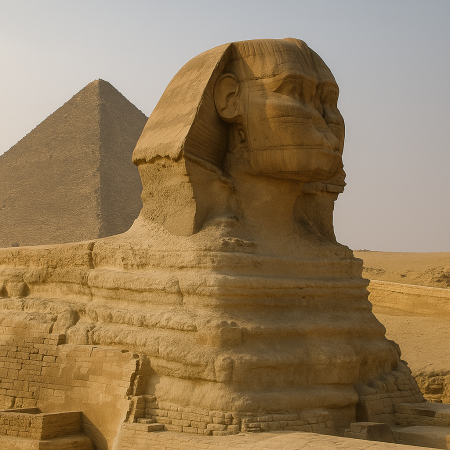
The Great Sphinx of Giza: Guardian of Egypt’s Ancient Mysteries
Explore the Great Sphinx of Giza, Egypt’s timeless guardian. Discover its history, symbolism, construction, mysteries, and travel tips for visiting this ancient wonder of the world.
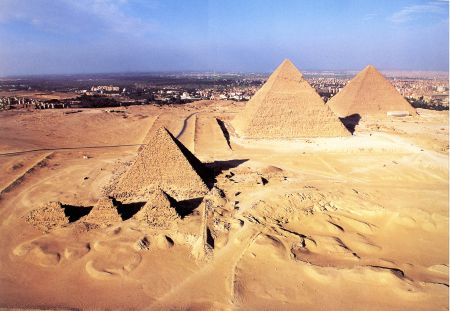
Giza City – Where Egypt’s Ancient Glory Meets Urban Pulse
Giza City is more than just a home to the pyramids; it’s a living chronicle of Egypt’s journey from ancient glory to modern resilience.
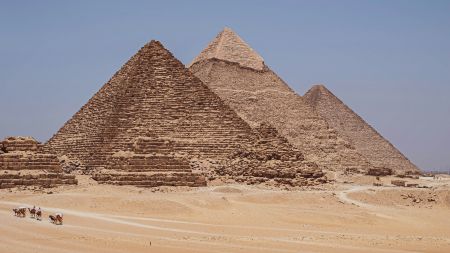
the Mysteries of the Great Pyramids of Giza : A Timeless Marvel of Ancient Egypt
The Great Pyramids of Giza are more than stone structures — they’re timeless beacons of civilization, spirituality, and ingenuity.
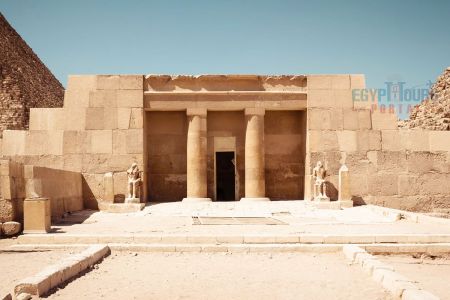
The Secrets of The Valley Temple in Giza
The Valley Temple of Khafre isn’t just an architectural marvel—it’s a testament to the ancient Egyptians’ spiritual depth, technical brilliance, and unrelenting pursuit of eternity.
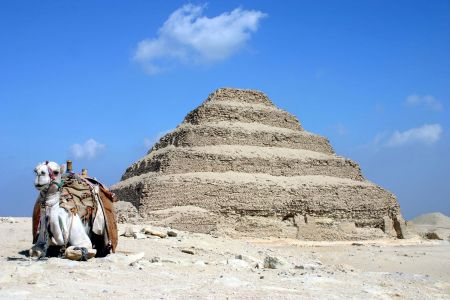
Sakkara Necropolis : The Eternal Gateway
Sakkara Necropolis isn’t just a destination—it’s a portal into the very soul of ancient Egypt.
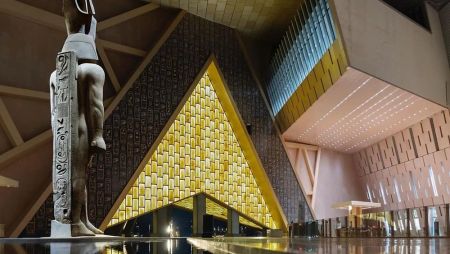
The Grand Egyptian Museum
The Grand Egyptian Museum stands as a triumph of vision, architecture, and cultural preservation. By blending ancient majesty with modern innovation, GEM redefines what a museum can be.
Our Partners
Our Awesome Partners